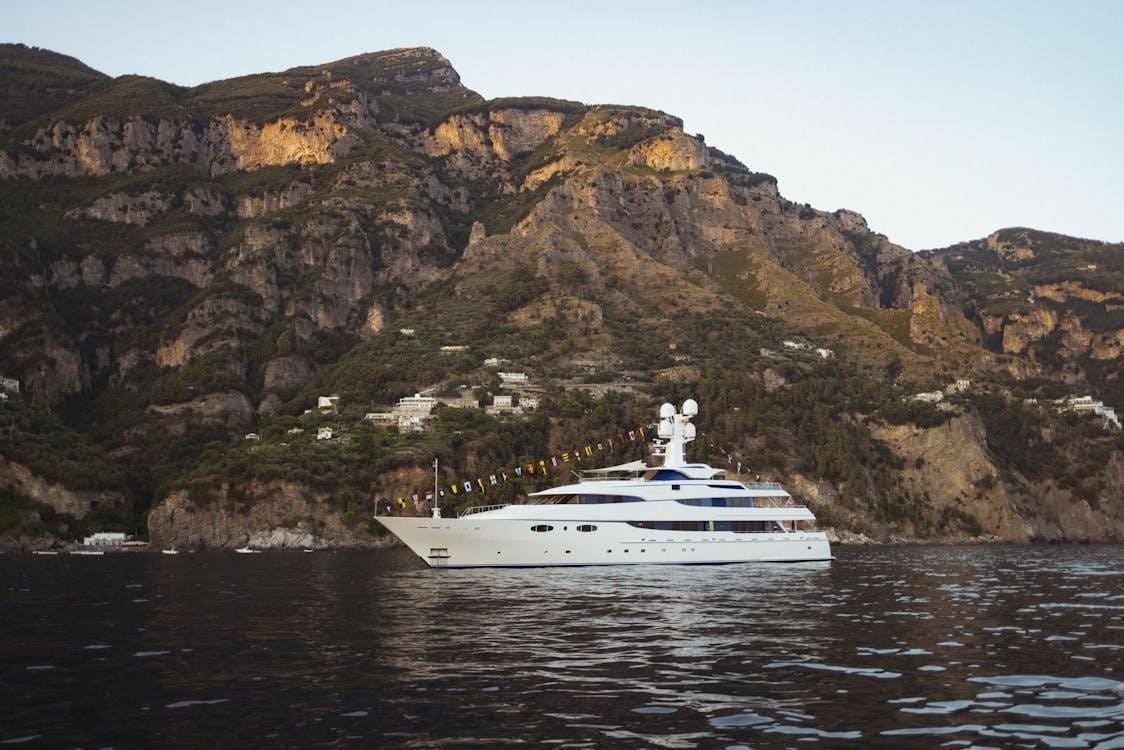
There is a specific feeling that comes with watching a vessel cut through the water when it’s been crafted with a certain pedigree. It isn’t just about the speed or the way the hull gleams under the sun. Honestly, it’s about a philosophy of construction that has been refined over centuries. Italian yacht design is often discussed in terms of aesthetics, but its influence runs much deeper than the surface. It shapes how a boat handles the chop of the sea and how it holds its worth over decades of ownership. I guess you could say it’s where the soul of the builder meets the physics of the ocean.
The Engineering of Elegance
When we think of design, we often think of the visual. However, in the realm of high-quality maritime engineering, design is the primary driver of performance. Italian shipyards have long mastered the balance between heavy-duty durability and lightweight agility. This isn’t an easy feat to achieve. To make a boat fast, you often sacrifice comfort. To make it stable, you often sacrifice soul.
But what if you didn’t have to choose?
The secret lies in the hull geometry. Many of these designs utilize advanced hydrodynamic principles that allow for a smoother entry into the waves. This reduces drag significantly. You know, when a hull moves through the water with less resistance, the engines don’t have to work as hard. This leads to better fuel efficiency and a higher top speed. It’s a functional beauty. And every curve on the exterior is usually there to serve a purpose, whether it’s to deflect spray or to improve the aerodynamics of the superstructure.
Materials and the Pursuit of Speed
The choice of materials is where the heritage of craftsmanship meets modern technology. While traditional builds relied heavily on standard fiberglass, the influence of Italian innovation has pushed the industry toward carbon fiber and advanced composites. These materials offer a strength-to-weight ratio that was previously unimaginable.
It changes everything about the ride.
By reducing the weight of the upper decks, designers can lower the center of gravity of the yacht. This is a critical performance factor. A lower center of gravity means less rolling in rougher waters and a more stable platform for those on board. It makes the difference between a stressful passage and a relaxing journey. Maybe that’s why these boats feel so planted even when the swell picks up. So, this meticulous attention to the physical properties of the build ensures that the vessel remains responsive and nimble, even at significant lengths. Have you ever felt a large vessel move with the grace of a much smaller boat? That is the result of this engineering.
The Human Element in the Layout
Performance is also measured by how a person interacts with the space. Italian design is world-renowned for its ergonomic flow. The transition from the cockpit to the salon is often seamless. This isn’t just for looks. It allows for better weight distribution and better sightlines for the captain.
When the layout is intuitive, the boat feels more manageable. There’s a sense of confidence that comes from a well-designed helm station where every control is within reach, and every gauge is visible. And that’s the point. This human-centric approach ensures that the power of the yacht is always under the firm control of the operator. It creates a bond between the water and the person behind the wheel. It’s about that quiet hum of the electronics at midnight when you’re the only one awake on watch.
Where to Purchase Italian Yachts
If you’re considering owning a piece of Italian craftsmanship, there are several excellent routes to explore when purchasing an Italian yacht. Whether you’re in the market for a new build or a pre-owned vessel, the process offers numerous opportunities to connect with renowned shipyards and brokers who specialize in these world-class yachts.
Renowned Italian Shipyards
Starting at the source, Italy is home to some of the most prestigious yacht builders globally. Leading shipyards offer an extensive range of yachts that embody both performance and timeless design. Visiting these yards allows you to experience the meticulous construction process firsthand, as well as to customize your vessel according to your preferences.
Yacht Brokers and Dealers
For those seeking a pre-owned Italian yacht, there is a vibrant network of brokers and dealers who specialize in high-end vessels. These experts provide access to exclusive Italian yachts, both new and used, and offer personalized services to help you find the perfect match. With a global reach, brokers can help you find luxury yachts in various locations, from the Mediterranean to the Caribbean. For example, a Ferretti yacht for sale is only available through some of the top brokers in the industry, offering you a chance to own a piece of Italian yachting heritage.
Yacht Shows and Events
Attending major yacht shows such as the Cannes Yachting Festival or the Monaco Yacht Show is another fantastic way to discover Italian yachts. These events allow you to see the latest designs, interact with manufacturers, and explore both new builds and pre-owned vessels. They provide a unique opportunity to experience the luxury yachts up close and speak with industry experts about your specific needs.
Online Marketplaces
For convenience, online marketplaces offer a broad selection of Italian yachts for sale. These platforms provide easy access to listings from around the world, allowing you to compare different models and prices, often with high-quality photos and detailed information on each yacht. While this method lacks the personal touch of visiting a shipyard or broker, it’s perfect for those who prefer to start their search online.
Whether you’re purchasing new or pre-owned, Italian yachts are available through a range of trusted channels, each offering unique advantages depending on your preferences and needs.
Sustaining Value Through Timelessness
The secondary market for yachts is a complex landscape. Depreciation is a reality for any significant investment, but certain vessels defy the standard curves. Italian yachts often retain a higher percentage of their original price because their design is considered timeless.
But why does some design age so much better than others?
A design that relies on trends will look dated within five years. A design that relies on proportions, clean lines, and high-quality materials will look just as relevant twenty years from now. This longevity is a massive component of the overall value. When a prospective buyer looks at a pre-owned vessel, they’re looking for that enduring appeal. They want something that feels like a piece of art rather than a mass-produced product. And honestly, that’s what saves you money in the long run.
Quality of Finish and Global Reputation
The value is also found in the details that you can’t see at first glance. It’s in the way the joinery fits together without a gap. It’s in the grade of the stainless steel used for the railings and the thickness of the teak on the decks. Italian yards are famous for their obsessive focus on these finishes. You can almost smell the varnish and the sea air just looking at the craftsmanship.
Quality speaks for itself.
Because these luxury yachts are recognized globally as a gold standard, they have a larger pool of potential buyers. A well-maintained vessel with a respected Mediterranean lineage is a liquid asset in the maritime world. Whether it’s in the Caribbean or the South Pacific, the reputation of the build precedes it. So, does a global reputation actually protect your investment? In this industry, the answer is almost always yes.
The Intersection of Passion and Purpose
Ultimately, the influence of this specific design culture is about the harmony of passion and purpose. It’s the understanding that a yacht is more than a mode of transport. It’s an expression of a lifestyle. By focusing on the marriage of technical performance and aesthetic brilliance, these builders have created a niche that remains untouched by competitors.
When you invest in a vessel with this kind of DNA, you aren’t just buying a boat. You’re acquiring a legacy of naval architecture. You’re securing a piece of machinery that performs with precision and holds its head high in any harbor in the world. That is the true measure of value. At least, that’s how I see it.