Smart home must-haves: tech that transforms your living experience
Modern smart home technology has moved far beyond novelty gadgets to deliver measurable improvements in comfort, security, and household efficiency. This guide compiles expert recommendations on 25 practical devices that address real pain points—from preventing water damage and cutting energy costs to streamlining daily routines and improving sleep quality. Whether you’re looking to automate a single frustration or transform your entire living space, these proven solutions offer clear returns on investment.
MORE NEWS: 10 water and energy takeaways from the 2026 AZRE Forum
- Concealed Surveillance Preserves Calm Without Compromise
- Correct Setup Boosts Comfort and Efficiency
- Video Doorbell Elevates Awareness and Curb Appeal
- Scene Controls Simplify Life and Reduce Energy
- Touchless Illumination Transforms Closets and Workspaces
- Integrated Locks Ensure Airtight Coastal Readiness
- Pool Automation Delivers Savings and Remote Control
- Automatic Shutoff Prevents Costly Water Disasters
- Kitchen Display Orchestrates Mornings and Calls
- Air Metrics Guide Ventilation Cleaning and Choices
- Home Battery Shields Outages and Trims Peaks
- Motion Alerts Improve Deliveries and Peace
- Timed Feeder Ends Early Wake-Ups
- Microclimate Network Flags Issues Before Damage
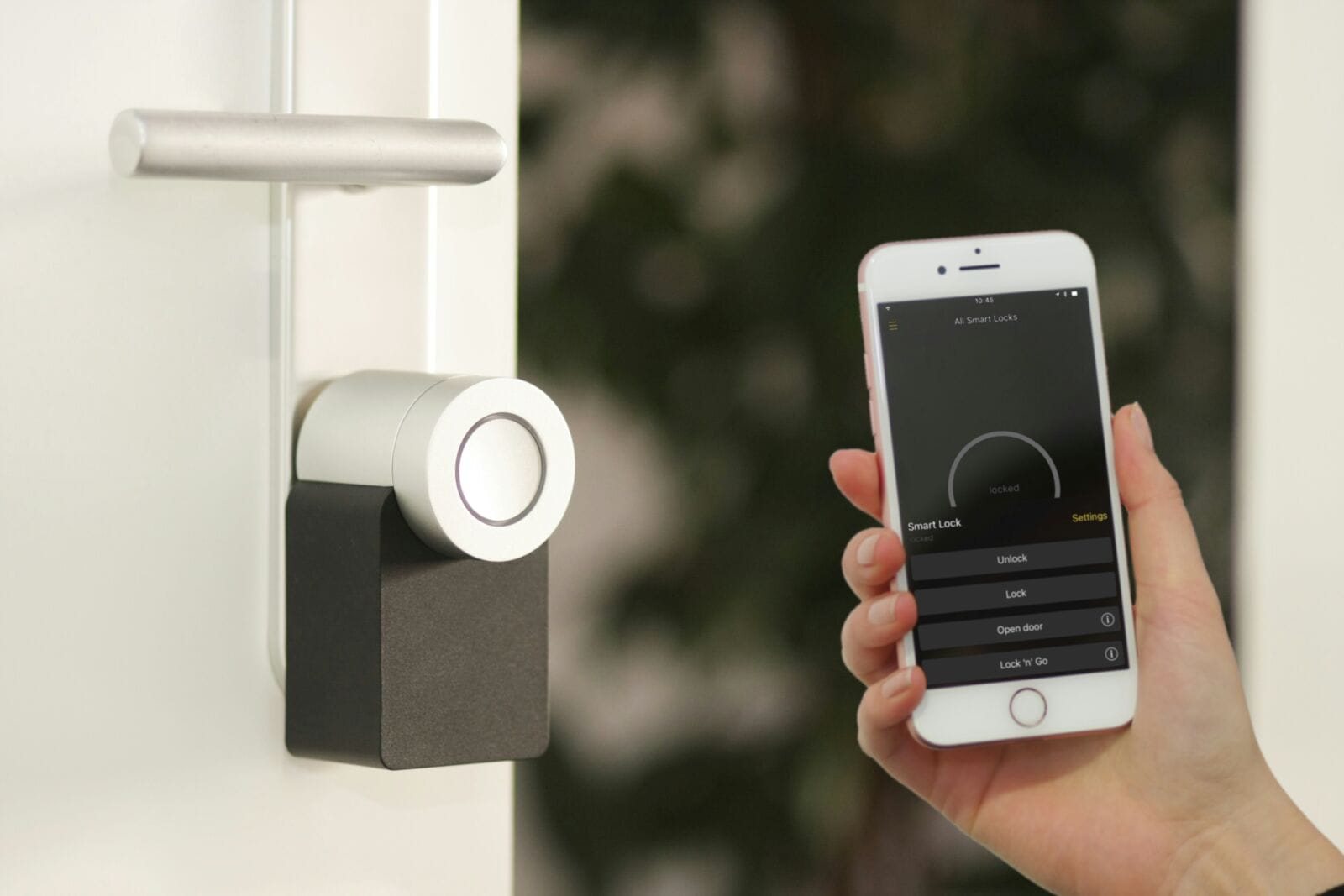
- Keyless Entry Removes Friction and Worry
- Zoned Climate Slashes Expenses and Discomfort
- Single Button Streamlines Departures Effortlessly
- Scheduled Plug Lowers Bills and Enforces Balance
- Countertop Assistant Breaks the Phone Habit
- Red Therapy Panel Deepens Sleep and Recovery
- Adaptive Softener Minimizes Scale and Waste
- Usage Monitor Exposes Excess and Cuts Costs
- Portioned Bowls Stabilize Routines and Spending
- Utility Dashboard Maximizes Household Profitability
- Advanced Alarms Prioritize Prevention and Clarity
Concealed Surveillance Preserves Calm Without Compromise
The most useful smart device I have used for my home is not a smart AI assistant or some high-tech robots. The most useful one I ever used is a Wi-Fi security camera that can be secretly hidden in daily life objects.
I used to have traditional visible security cameras in my home because I work in the surveillance industry. They do provide an excellent security system. But they also made me feel like I was living in a corporate setup, not a home. They continuously used to remind my family and guests by their red blinking lights that they were being watched. It causes an unsaid stress in my home.
I changed those cameras with hidden small cameras in my home. It completely changed my living experience. I still have the same level of security and smart setup in my home. I still get motion sensor alerts on my phone, and I can check my home or pets from anywhere in the world. But now I am peaceful, thinking that although my home is secure but my technology is invisible. So I can say that the best smart home technology is the one that is not seen by normal people while walking in your home.

Correct Setup Boosts Comfort and Efficiency
One smart home technology I’ve found particularly useful is a smart thermostat, especially when it’s configured correctly for the home’s HVAC system. As a plumbing and HVAC contractor, we often see thermostats installed but left in factory settings that don’t match the actual heating or cooling equipment. When programmed properly, a smart thermostat can stabilize indoor temperatures and reduce energy waste because the system runs based on real schedules rather than guesswork. Homeowners usually notice the improvement right away — the home feels more comfortable and the HVAC system runs more efficiently. We also see the biggest benefits when thermostats are integrated with high-efficiency systems such as heat pumps or modern HVAC replacements, where proper control settings can significantly improve performance and energy savings.

Video Doorbell Elevates Awareness and Curb Appeal
The technology that made the biggest difference in my home is a smart video doorbell, the Ring Pro specifically. After 30 years in the home remodeling business, I have contractors, suppliers, and delivery people coming to my house constantly. Before I installed it, I was missing packages, playing phone tag with vendors, and honestly just felt disconnected from what was happening at my front door when I was out on a job site.
What surprised me was how much it changed my sense of security, not just convenience. I can see exactly who is at my door whether I am standing in a client’s kitchen in Bergen County or wrapping up a walkthrough in Morris County. I talk to whoever shows up in real time, right from my phone.
But here is the part that actually connects to what I do every day at Magnolia. Once I installed that doorbell, I started paying close attention to how my own home’s exterior looked on camera. The lighting, the condition of the siding, the entryway. It pushed me to make upgrades I had been putting off. That little device made me look at my home the way my clients look at theirs, with fresh eyes. Sometimes you need a new perspective to finally take action on your own space.

Scene Controls Simplify Life and Reduce Energy
One of the most useful technologies we regularly incorporate into homes, and one that homeowners tend to appreciate most once they live with it, is intelligent lighting control.
It might sound simple compared to home cinemas or advanced security systems, but smart lighting has a huge day-to-day impact. Instead of relying on multiple switches throughout the house, lighting can be grouped into scenes that suit different moments, such as waking up, entertaining, dining, or winding down in the evening. With a single press, or automatically at scheduled times, the home responds in a way that feels effortless.
What makes it so valuable is that it improves both comfort and usability. It helps create the right atmosphere, reduces unnecessary energy use, and makes larger homes much easier to manage. When integrated properly with shading and other systems, it also enhances privacy and security without the technology feeling intrusive.
The best smart home features are often the ones people stop noticing because they work so naturally, and smart lighting is a perfect example of that.

Touchless Illumination Transforms Closets and Workspaces
From our custom closet design consultations, the smart home technology clients increasingly request is automated lighting systems integrated into closet installations that activate when doors open or through motion sensors. Families discover this enhancement transforms daily routines dramatically because you’re not fumbling for light switches while carrying laundry or searching for clothing in dark walk-in closets during early morning routines.
The practical implementation involves LED strip lighting integrated along closet rods, shelving underside, and vertical panels during custom fabrication rather than attempting retrofits after installation. During design consultations, we’re specifying motion-activated or door-sensor lighting that illuminates automatically when accessing storage rather than requiring manual switching that homeowners inevitably skip when hands are full. This seemingly minor automation creates disproportionate daily convenience because closet access happens multiple times daily under conditions where reaching for switches proves genuinely inconvenient.
The enhancement extends beyond primary bedroom closets into laundry storage areas and garage organization systems where automated lighting proves even more valuable. Clients report that motion-activated lighting in garage storage zones and laundry areas eliminates the frustration of navigating dark spaces while managing household tasks, making organized storage systems actually get used rather than becoming cluttered because accessing them felt inconvenient in poorly lit conditions.
From post-installation feedback, the smart technology integration clients appreciate most isn’t expensive whole-home automation but simple automated lighting in custom storage solutions addressing actual daily friction points rather than impressive features used occasionally.
Integrate automated lighting into custom closet and storage installations during fabrication rather than treating smart home technology as separate systems added to completed spaces.

Integrated Locks Ensure Airtight Coastal Readiness
As a Premier Andersen Certified Contractor specializing in high-end coastal renovations, I’ve seen how smart tech must balance luxury with the harsh realities of salt air and wind. In my own home, I integrated Andersen VeriLock security sensors directly into the window and door hardware.
Unlike standard sensors that only tell you if a window is open, these notify me if the unit is actually locked or unlocked. For a multi-story home in a high-wind environment like the Jersey Shore, this ensures the weatherstripping is fully compressed to prevent moisture intrusion and energy loss.
It completely eliminated the manual “walk-around” check before a storm, allowing me to monitor the structural seal of the entire house from my phone. Because the tech is built into the lock itself, it maintains the clean aesthetic of premium wood finishes without clunky plastic boxes.
If you are upgrading to high-performance glass, I recommend factory-integrated sensors over aftermarket options. They protect your investment by ensuring the home remains airtight, which is critical for long-term durability in demanding coastal climates.

Pool Automation Delivers Savings and Remote Control
Pool automation systems changed everything for me—not just professionally, but in my own backyard. I run Hayward’s automation platform, and being able to control heating, lighting, cleaning cycles, and water features from a single app is genuinely game-changing.
The real value shows up in energy savings. I schedule my pump and heater around actual usage patterns instead of running them constantly—that kind of optimization cuts waste significantly, and I’ve seen clients reduce monthly utility costs noticeably just from smarter scheduling alone.
What surprises most people is the remote access piece. I can fire up the pool heater on the way home from a job site so it’s swim-ready when I walk in—no waiting, no wasted energy heating an empty pool all day.
If you’re building or remodeling, don’t treat automation as an upgrade—rough it in from the start. Retrofitting it later costs more and limits what you can integrate. Get the infrastructure in during construction and thank yourself later.

Automatic Shutoff Prevents Costly Water Disasters
One of the most useful upgrades I’ve added to my home is a smart leak detection system with automatic shut-off. Leak detection systems monitor water flow in real time and can alert you (or even shut off your main supply) if a leak is detected. This can prevent thousands of dollars in water damage, especially if a pipe bursts while you’re away from home. Some can also monitor water quality, telling you how pure the water is.
It’s also one of the best ways to catch hidden issues, such as slab leaks or other pipe failures. As someone who travels frequently for work, my water monitoring system gives me peace of mind and a sense of control I didn’t have before installing it.

Kitchen Display Orchestrates Mornings and Calls
Hands down, it was setting up a Google Nest Hub in the kitchen. I resisted smart home stuff for ages because I figured it was just another gadget collecting dust, but my partner convinced me to try one and it genuinely changed our daily routine. We use it for timers while cooking obviously, but the real game changer was integrating it with our smart lights and thermostat through Google Home. Now I walk into the kitchen in the morning and say “good morning” and the lights come on, the heating adjusts, and my calendar for the day pops up on screen. It sounds small but when you’re juggling running a software company and trying to get out the door on time, those little automations add up. The other thing I didn’t expect was how much we use the video calling feature. My parents are back in the UK and being able to just say “call Mum” while I’m cooking dinner has meant we actually talk more often than when I had to sit down and deliberately make a call. It removed just enough friction to make it effortless. For about $150 it’s probably the best return on investment of any tech purchase I’ve made at home.

Air Metrics Guide Ventilation Cleaning and Choices
The single most useful smart home device I’ve added is an indoor air quality monitor. As someone who runs an eco-focused cleaning company, I’m hyper-aware of what’s floating around in indoor air — VOCs from furniture off-gassing, particulate matter from cooking, humidity levels that encourage mold growth — but before the monitor, I was essentially guessing.
Now I have real-time data on CO2 levels, humidity, temperature, VOCs, and particulate matter displayed right on my phone. It sounds like a niche gadget, but it’s changed how we live in the house in very practical ways.
For example, I learned that our CO2 levels were spiking at night because we were sleeping with the bedroom door closed and no ventilation. A small adjustment — cracking a window or running the HVAC fan on a timer — dramatically improved our sleep quality. I also discovered that certain cooking methods were sending particulate matter through the roof, which prompted us to upgrade our range hood.
From a cleaning perspective, the monitor confirmed what I always tell my clients: what you can’t see matters more than what you can. After our team does a deep clean with plant-based products, the VOC readings stay flat. When someone uses conventional chemical cleaners, you can literally watch the numbers climb on the screen.
The device has enhanced our living experience because it turned invisible problems into visible, solvable ones. Instead of wondering whether our indoor environment is healthy, we know. And that knowledge drives better decisions — from which products we bring into the house to how we ventilate different rooms throughout the day.
For anyone considering smart home technology, I’d suggest starting with something that improves the quality of the air you’re breathing before investing in gadgets that are purely about convenience. You spend roughly 90% of your time indoors. Knowing what you’re breathing is worth more than being able to dim your lights with your voice.

Home Battery Shields Outages and Trims Peaks
As the owner of Big C Electric LLC, I’ve seen and installed a lot of “smart” gadgets, but my favorite is a whole-home battery backup system.
Modern battery units are sophisticated smart devices. They use AI-driven software to monitor weather patterns and utility rates in real-time. If a storm is forecasted in Granby, the system automatically prioritizes a full charge. During peak hours, it can switch to battery power to avoid higher energy costs and save money.
Most importantly a backup battery provides peace of mind. The transition from grid to battery is so seamless (often under 20 milliseconds) that my clocks don’t even blink. It’s quiet, and provides a level of energy independence that a traditional generator simply cannot match.
While generators rely on mechanical parts and fuel, a smart battery system is solid-state and very low maintenance. Below are some pros and cons for each backup power type.
Battery Backup:
– Pros: Instant power (no flicker), zero noise, and “smart” peak power usage to lower electric bills.
– Cons: Higher upfront cost and finite capacity.
Traditional Generator (not “smart”):
– Pros: Lower initial investment and runs indefinitely as long as fuel is available.
– Cons: Requires annual maintenance, very loud, toxic fumes, and no energy cost management.
For most homeowners, the battery’s ability to “pay for itself” through smart energy management makes it the better long-term choice.

Motion Alerts Improve Deliveries and Peace
My husband and I live on a quiet, low-crime, dead-end street in the suburbs, so I kept deferring his interest in getting security cameras. But when he found a very budget-friendly system, I acquiesced, and I’m glad I did. I find the motion-activated cameras useful for alerting me to deliveries — including whether packages are left where we requested. In one instance, I saw a breakable package thrown on the porch from a great distance and reported it.
Security cameras also enhance my living experience because we have a large “No Soliciting” sign on our front door that is routinely ignored. Since I work from home, the home monitor app helps me reduce interruptions by letting me see whether it’s a stranger to ignore or a neighbor to see.
And on a lighter note, it’s entertaining to watch which critters “visit” our property in the wee hours of the morning, from cats to a family of deer!

Timed Feeder Ends Early Wake-Ups
The cat feeder fixed my sleep. The cat stops treating you like a vending machine at 5 AM, and that alone is worth it. Now it never wakes me up—just walks to the feeder at the same time every day without looking at me once.
The camera is the feature you would not appreciate until you actually use one. You are in another city, the pet sitter was supposed to come by two hours ago, and you can pull up a live view and see exactly what is going on. And even without a sitter, you control feeding times and portions from your phone. The cat is fed, you are not there, and nobody panics.

Microclimate Network Flags Issues Before Damage
The network of my microclimate sensors has transformed my attitude towards my house. They do not just resemble simple thermostats. Each room, even the closets and the storage, has a small sensor, which monitors temperature, humidity, air quality, and light. I receive warnings on my phone before issues are magnified.
The real issue was reflected in the office. There was a 5-degree warmer afternoon. Heat in the form of steam in a kettle increased the humidity by a fifth. My focus dropped. Electronics got hot faster. Sensors found it right away. I moved one fan. The airflow changed. Some form of comfort returned without the need to change the central AC.
The wine room received assistance as well. The humidity increased to 65 percent last month. I got an alert at 8 am. The dehumidifier turned on. My collection stayed safe. No mold. I didn’t lose a $2,000 bottle.
A larger problem was discovered by closet sensors. Coats in winter had a moisture content of 72% humidity. Three days of destruction served as a warning. After the season, most individuals discover spoiled clothes. Air flow fixed it. No dry-cleaning bills.
Plants show another story. In the orchid room, the humidity remained at 55 per cent throughout the summer. The sensor saw it rise to 68%. I increased the mist schedule. No leaves fell.
The transformation is minute every day. But small adjustments add up. No sticky afternoons. No clothes rotting. No dead plants. No hot electronics. The house should be 15 percent more effective and not affect my life.
Complicated statistics are preferable to rough averages on houses. One room problem can be corrected before the entire house starts showing symptoms. Little devices provide immediate notification and repairs. The comfort is enhanced automatically.
Your home hints at problems. Sensors alert you when there is damage at hand.

Keyless Entry Removes Friction and Worry
My smart lock is probably the most valuable smart home device I’ve installed in my home, and I never expected to care about it this much. I run a minimalist furniture company, so I’m naturally wary of technology that adds complexity or interrupts the clean look and feel of a space. The real difference showed up in the small daily moments. My work can be surprisingly physical and I’m often carrying groceries, product samples, coffee, or my laptop while answering customer messages. Before the smart lock, I was constantly juggling keys at the door. Now I can lock or unlock the door from my phone, whether I’m heading to work or rushing out the house. I can also give temporary entry codes to delivery people or a plumber without worrying about spare keys or coordinating schedules. What I noticed most is how much time I used to spend standing at my front door dealing with keys or wondering if I locked it. That tiny piece of friction disappeared. To me, that’s what good technology should do. It should feel more like wallpaper than a laser show. Quiet, almost invisible, but removing those small everyday annoyances that interrupt the calm of a simple home.

Zoned Climate Slashes Expenses and Discomfort
The smart home device that made the biggest difference in my daily life was a smart thermostat, specifically the Ecobee with room sensors. Living in South Texas where summer temperatures regularly push past 100 degrees, climate control is not just a comfort issue. It is a significant monthly expense and a quality of life factor.
What made this device particularly useful was the room sensor capability. Before installing it, I had the common problem where the thermostat in the hallway would read 72 degrees while my home office where I spend most of my workday was closer to 78. The system thought the house was comfortable but the room I actually used was not.
The room sensors solved this by letting me prioritize specific rooms at different times of day. During work hours the system optimizes for my office. In the evenings it shifts priority to the living room and bedrooms. This meant I stopped overcooling the entire house just to get one room comfortable, which reduced my electric bill by about 15 percent during peak summer months.
From a work perspective, it also improved my productivity. I work from home managing campaigns for Local SEO Boost clients and being physically uncomfortable in your workspace creates a low-grade distraction that compounds throughout the day. Having consistent comfortable temperatures in my office eliminated that friction entirely.
The integration with my phone was another enhancement. I can adjust the temperature from anywhere, which means if I am heading home from a client meeting I can start cooling the house 20 minutes before I arrive instead of walking into a hot house and waiting 30 minutes for it to cool down.
The scheduling features also taught me something about my own habits. Looking at the usage data, I realized I was heating and cooling an empty house for hours each week. The automatic away detection fixed that waste without me needing to remember to adjust anything manually.

Single Button Streamlines Departures Effortlessly
I did not expect to love that little smart button I stuck by the front door. It is refreshing to have a simple device that is not loaded with unnecessary features like voice control, and that doesn’t feel intrusive or complicated. When I am about to leave the house, I just tap the button and it automatically triggers a routine.
The reason I ended up liking it so much is that the button slowly changed how I behaved and how I thought about leaving the house. Instead of running around double-checking all those little fussy things, like killing the lights, bumping the air a degree or two, pausing the TV, and silencing my pocket, the whole routine got squished to a single step at the door.
I can’t tell you how much smoother it made leaving the house. No more hovering in the entryway, trying to recall if you missed something. Now, I just tap the button and go, which is a bigger relief than I thought it would be.

Scheduled Plug Lowers Bills and Enforces Balance
The best smart home device I got is a basic Wi-Fi smart plug that I put on a power strip. I plugged my desk lamp, monitor and phone charger in it. The plug switched everything off at midnight and switched everything on again at 6 AM automatically. Because of that, my monthly electric bill dropped by $15 or so. The devices were consuming power all of the time even when I was not using it.
The savings were just the beginning. The plug also made me stop working late because my desk lights go out at midnight. I used to work on fixing CartMango wireframes on my iPad till 2 AM. I was using electricity and I was getting tired all the time. The $12 plug helped me to save money, use less energy and give myself a hard stop time. It even helped me to sleep better. I tell all my friends to try this before spending hundreds on costly gadgets.

Countertop Assistant Breaks the Phone Habit
I have the Nest Hub technology and I did not really intend to buy one. A coworker mentioned it so I bought one on a whim. I have it on my countertop and use it daily for timers, schedules, and weather checks. What I did not expect was the way it helped me to transition from my workday to my home life after hours. I have my work on my phone, both Slack and email, so when I finish working, a notification pulls me right back into working on my phone. The Nest Hub does not have any of those kinds of notifications on it, which is a big part of why I have been able to stop working after hours.
I started to shift all my home tasks to the Nest Hub and keep my phone out of my kitchen after 6 pm. All of my cooking timers, grocery reminders, and my schedule for the next day are managed through the Nest Hub. My phone is not something I reach for at home anymore, and that has changed how my brain connects with my phone when I want to relax.

Red Therapy Panel Deepens Sleep and Recovery
Light is one of the most overlooked variables in home wellness, and I say that because at one time in life I was helping people find the right therapy devices for years before I had one myself. The biggest device that changed my home life was a red light therapy panel, which is the same technology that we use in Helio Cure. I took home one once after seeing consistent results with customers, and within a few weeks the difference was real.
Across the customers I work with each day, the ones who report the biggest turnaround almost always mention sleep first, and not pain relief or skin results. My own experience was exactly in accord with deeper sleep, less sluggish mornings and a body which actually felt recovered. A study published in the Journal of Athletic Training backs this up and found that 14 days of red light therapy increased the quality of sleep and melatonin levels in athletes measurably. This one earned its place.

Adaptive Softener Minimizes Scale and Waste
I’ve always been a fan of whole-home water softeners, especially in areas with hard water, but new smart models are really something else. These systems monitor usage in real time and regenerate only when needed (rather than on a regular cycle), saving you significantly on salt and water usage costs. They can also alert you to problems, such as low salt levels or if the system malfunctions. Plus, you get all the usual benefits of a whole-home water softener: less scale buildup in pipes and plumbing appliances, less water spotting on dishes and fixtures, and detergents, soaps, and shampoos are more effective.

Usage Monitor Exposes Excess and Cuts Costs
A smart home energy monitor made a bigger change in how I run my home than any device I’ve added. Honest to God, I was not expecting much from it until I noticed we were burning through something like 34% more electricity than we were using.
After installing one, I monitored all of the appliances and brought our monthly bill down almost $62.87 in two months only. In my experience the raw numbers are meaningless if there is no context. And knowing where the waste is, precisely, is what makes the change. I picked up on the fact that some devices that we left on standby overnight made up almost 18% of our total draw. That one adjustment went to cover the cost of the device itself.
If you’ve ever looked at your energy bill and thought to yourself “but where did it all go?” you know the frustration. The monitor answers that question in real time and pulls no punches about it.

Portioned Bowls Stabilize Routines and Spending
The one thing in my home that I believe has helped improve the quality of my life, as well as my pets’, is the automated pet feeder. I am an entrepreneur, and I must admit that there have been many times when I was running late from meetings and was unable to set a routine for my dogs.
After purchasing the dog feeder, I was able to set a routine where I scheduled the amount of food that I was going to provide for my dogs at the same time every day. This, in a sense, helped me establish a routine for my dogs.
I also save money by not overfilling the dog bowls with food, wondering if I’ll be running late. This may seem like a simple piece of technology, but it has really helped me manage my home with ease.

Utility Dashboard Maximizes Household Profitability
I stopped viewing my house as a place to live and instead I began viewing it as a business balance sheet. I have integrated a smart energy management system which is tied to my solar array. And looking at my house based on a real-time financial dashboard changed my entire perspective on property. Most people purchase these for the “cool” factor. I’ve been doing this long enough to know that a house should be as profitable as a corporate asset.
For interest rate fluctuations I watch my household “burn rate” with the same level of detail. Every dollar that you save in overheads goes straight into increasing your borrowing capacity. It’s that simple.
My gut said that optimizing utility spend would improve my bottom line and the results applied a 40% reduction in monthly operating cost. This is what improves what we call “serviceability” in the lending world. (It clicked with me that these micro-costs are ignored by most homeowners.) These savings provide the basis of securing high-value approvals later on.

Advanced Alarms Prioritize Prevention and Clarity
A smart smoke and carbon monoxide detector has been the most useful piece of technology in my home. It enhanced daily life by giving earlier, clearer alerts and helping me spot unusual changes like temperature shifts before they turn into bigger problems. Coming from a safety and prevention mindset, I value tools that help you recognize risks early rather than react after the fact. It also pushed better habits, like keeping passwords secure and staying on top of updates so the system works as intended.

Related Articles
- 16 Tech solutions that will improve your life immediately
- 17 home improvement must-haves to upgrade your living experience – AZ Big Media
- 14 home improvement projects that will positively impact your daily life – AZ Big Media