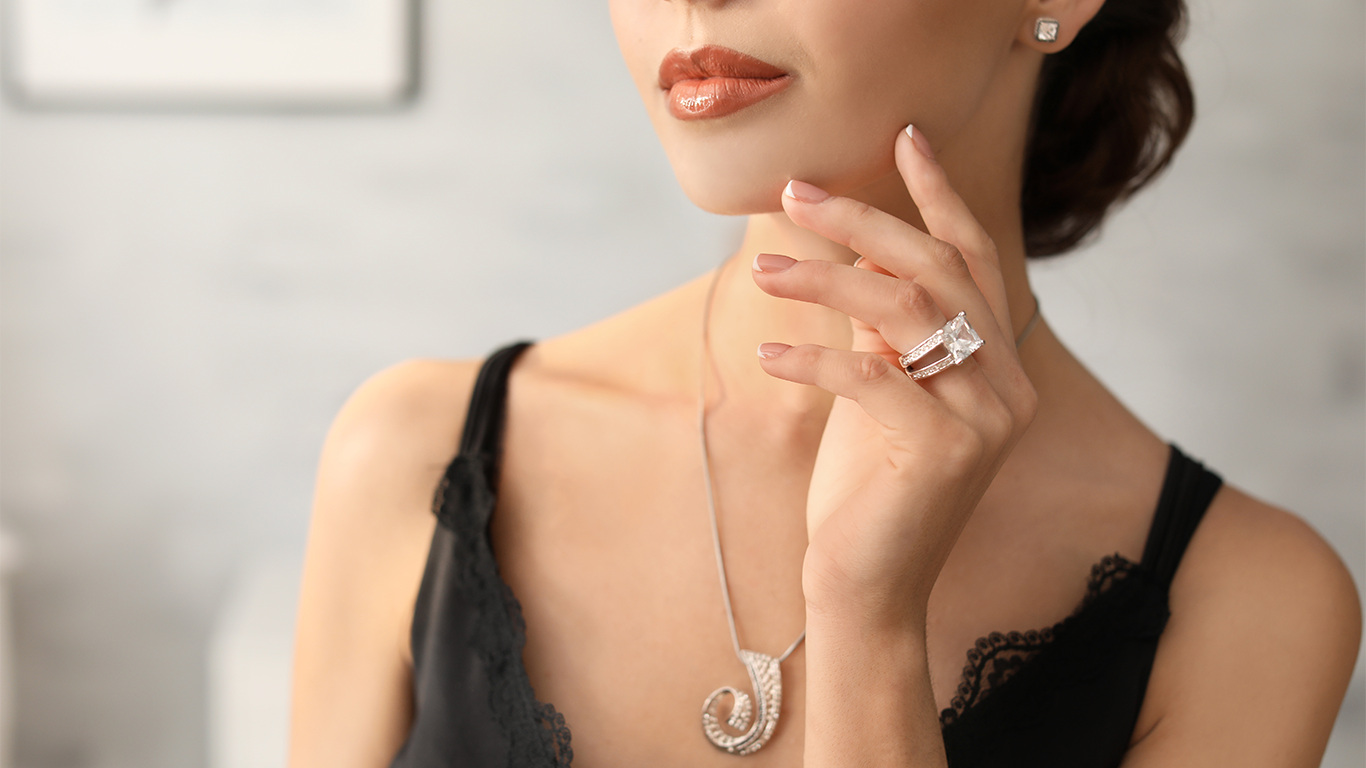
The diamond jewellery market is experiencing a remarkable shift as sophisticated buyers increasingly turn to pre-owned pieces over brand-new alternatives. This trend isn’t driven by budget constraints alone; it reflects evolving values around sustainability, investment wisdom, and appreciation for timeless craftsmanship.
Understanding why informed consumers are making this choice reveals insights that could transform how you approach your next diamond purchase.
DEEPER DIVE: Top 10 Arizona ZIP codes people are moving to in 2025
LOCAL NEWS: 100 best places to work and live in Arizona for 2025
The Value Proposition That Changes Everything
Pre-owned diamond jewellery typically costs 30-50% less than comparable new pieces, offering immediate value that new purchases cannot match. The moment you buy a new diamond ring from a retail jeweller, it loses significant value due to markup and retail overhead. Pre-owned pieces have already absorbed this initial depreciation, meaning your purchase price is closer to the actual market value.
This pricing advantage doesn’t mean compromising on quality or beauty. Diamonds are among the most durable substances on Earth, maintaining their brilliance and structural integrity indefinitely with minimal care. A well-maintained 50-year-old diamond looks identical to one mined last year, yet costs substantially less simply because it’s changed hands before.
The same budget that buys a modest new piece can secure something truly spectacular in the pre-owned market. Buyers can upgrade significantly in carat weight, clarity, or design quality by choosing pre-owned options. This value multiplier makes luxury accessible to broader audiences while allowing existing luxury consumers to purchase pieces that would otherwise exceed their budgets.
Breaking the New-Only Mindset
Traditional marketing has conditioned consumers to believe diamonds must be new to be special or valuable. This manufactured preference serves retail interests more than consumer interests, creating artificial premiums for “newness” that provide no tangible benefit. Smart buyers recognize that diamonds’ geological age, measured in billions of years, whether purchased new or pre-owned, is economically irrelevant to the stone itself.
The market for second-hand diamond jewellery has matured significantly, with professional dealers, authentication services, and quality guarantees matching or exceeding those of traditional retail.
Buyers can purchase with confidence knowing pieces have been professionally evaluated, certified, and guaranteed authentic. The infrastructure supporting pre-owned purchases now rivals new retail in professionalism and customer protection.
Cultural attitudes toward pre-owned luxury are shifting dramatically, particularly among younger consumers. Owning vintage or pre-loved pieces is increasingly viewed as sophisticated and environmentally conscious rather than a budget-driven compromise.
This perception shift is accelerating market growth and attracting high-end inventory that would have remained in private collections a generation ago.
Superior Craftsmanship of Earlier Eras
Vintage and estate diamond jewellery often exhibits superior craftsmanship compared to mass-produced modern pieces. Earlier eras emphasized hand-finishing, intricate metalwork, and attention to detail that modern production economics make impractical. These pieces represent levels of artistry that contemporary jewellers cannot replicate at comparable price points.
Many pre-owned pieces feature design elements and styles no longer in production. Art Deco geometrics, Victorian romanticism, and Edwardian delicacy offer aesthetic diversity unavailable in current retail offerings. These distinctive styles allow buyers to express individuality rather than wear the same designs that everyone else purchases from contemporary collections.
The quality of older diamonds themselves can be exceptional, with many stones cut when labor costs allowed for optimization of brilliance over yield. Modern cutting sometimes prioritizes maximizing carat weight from rough diamonds, occasionally sacrificing optimal light performance. Older stones were often cut with more consideration for beauty than weight retention.
Metal quality in vintage pieces frequently exceeds modern standards, with higher gold purity and more substantial construction. Pieces were built to last generations, not just meet contemporary price points.
This durability means vintage jewellery often outlasts newer alternatives despite being decades older.
The Sustainability Advantage
Diamond mining carries significant environmental and social costs that ethically-conscious consumers increasingly wish to avoid. Purchasing pre-owned diamonds eliminates demand for new mining, making it the most sustainable choice possible.
No new environmental impact occurs when existing stones change hands between appreciative owners.
The carbon footprint of pre-owned diamond purchases is negligible compared to mining, cutting, and retail distribution of new stones.
For environmentally-aware buyers, this reduction in environmental impact provides peace of mind alongside beauty. Sustainable luxury no longer requires compromising on quality or aesthetic appeal.
Human rights concerns associated with diamond mining trouble many potential buyers. While certification programs like Kimberley Process aim to prevent conflict diamonds from entering supply chains, pre-owned purchases sidestep these concerns entirely. Buying existing pieces avoids any potential connection to problematic mining practices.
The circular economy model aligns perfectly with pre-owned luxury jewellery purchases. Keeping beautiful pieces in circulation rather than demanding new production represents responsible consumption. This approach satisfies desires for luxury while demonstrating environmental and social consciousness.

Investment Intelligence
Pre-owned diamond jewellery purchased intelligently can maintain or appreciate, unlike new pieces that depreciate immediately. Buying below retail and at closer-to-market prices provides better prospects for value retention or growth. Smart buyers essentially eliminate the immediate loss that accompanies new purchases.
Certain styles, periods, and designers appreciate significantly over time in the pre-owned market.
Art Deco pieces, signed designer jewellery, and exceptional vintage designs often increase in value as they become rarer. Informed buyers can identify undervalued pieces with appreciation potential that new purchases cannot offer.
Liquidity in the pre-owned market often exceeds that of new pieces because asking prices reflect actual market values rather than inflated retail. Sellers can move quality pre-owned pieces more easily than trying to recoup original retail investments from new purchases. This liquidity provides financial flexibility that new purchases don’t offer.
The established value of pre-owned pieces provides more certainty than speculating on whether new designs will hold value. Historical market performance offers data that informs smarter purchasing decisions. This reduced uncertainty appeals to buyers viewing jewellery partially through investment lenses.
Access to Discontinued and Rare Designs
Many beloved designs have been discontinued by manufacturers, making pre-owned markets the only source. Collectors seeking specific vintage Cartier, Van Cleef & Arpels, or Tiffany designs must turn to estate markets. These pieces represent design excellence that cannot be purchased new, regardless of budget.
Limited editions and special productions become available only through pre-owned channels once initial retail stock sells out. These pieces often appreciate significantly because supply is permanently fixed. Buyers willing to explore estate markets gain access to exceptional pieces unavailable elsewhere.
Antique jewellery represents historical periods and cultural aesthetics absent from modern production. Georgian, Victorian, Edwardian, and Art Nouveau pieces offer connections to history that new jewellery cannot provide.
These historical pieces carry stories and heritage that enhance their appeal beyond mere beauty.
Regional styles and maker’s marks from respected but defunct jewellers create unique collecting opportunities. Pieces from renowned historical workshops represent craftsmanship traditions that no longer exist. The pre-owned market preserves access to this diversity and heritage.
Customization and Modification Flexibility
Pre-owned pieces can often be modified or reset more cost-effectively than purchasing new custom work. The stone has already been paid for at favorable pricing, so resetting costs represent the only additional investment. This approach enables custom designs at a fraction of the new custom commission costs.
Buyers can source exceptional pre-owned stones and have them set in contemporary designs combining value and personalization. This hybrid approach maximizes both budget efficiency and individual expression. The best of both worlds emerges from intelligent sourcing of pre-owned diamonds.
Vintage settings can be updated with modern sizing, security features, or structural reinforcements while maintaining character. Skilled jewellers can modernize functionality without destroying historical integrity. These modifications make vintage pieces practical for everyday wear while preserving their essential character.
Heirloom redesign using existing family diamonds creates meaningful pieces with heritage and modern aesthetics. Rather than storing inherited jewellery unworn due to dated styles, reimagining pieces creates wearable treasures. This approach honors family history while creating personally relevant designs.
Quality Authentication and Certification
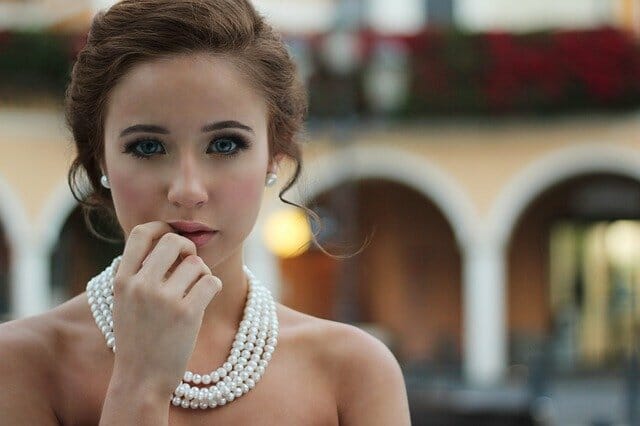
Modern gemological laboratories provide comprehensive diamond grading regardless of when pieces were originally purchased. GIA, AGS, and other respected labs evaluate pre-owned diamonds with the same rigor as new stones. Buyers can obtain independent certification, ensuring they know exactly what they’re purchasing.
Professional appraisers specializing in estate jewellery bring expertise that protects buyers from overpaying or purchasing misrepresented pieces. These specialists understand historical contexts, manufacturing techniques, and period-appropriate characteristics. Their knowledge exceeds what typical retail staff can provide.
X-ray fluorescence testing, loupe examination, and advanced imaging identify treatments, enhancements, or concerns. Technology available to professionals today often exceeds what was available when the pieces were originally sold. Modern authentication capabilities actually make buying pre-owned safer than it’s ever been.
Return policies, guarantees, and buyer protections from reputable estate dealers match or exceed those of traditional jewellers. Professional pre-owned dealers stake their reputations on accurate representation and customer satisfaction. These protections eliminate concerns about buying previously-owned pieces.
The Shopping Experience Evolution
Online platforms have revolutionized access to quality pre-owned diamond jewellery from reputable sellers worldwide. Geographic limitations no longer restrict buyers to local estate dealers or antique shops. Global marketplaces provide unprecedented selection and competitive pricing.
Virtual viewing appointments, detailed photography, and video presentations allow thorough evaluation before purchase. Technology enables remote shopping experiences that often exceed in-store examination capabilities. High-resolution imagery reveals details that casual in-person viewing might miss.
Expert consultations help buyers navigate options and make informed decisions based on their specific needs and preferences. Many estate dealers provide educational resources and personalized guidance exceeding typical retail experiences. This expertise adds value beyond the pieces themselves.
Trial periods and return windows reduce purchase anxiety by allowing in-person evaluation after delivery. Buyers can examine pieces in their own environments and lighting conditions before committing. This flexibility provides confidence that encourages purchasing decisions.
Avoiding Retail Markup and Overhead
Traditional retail jewellers carry enormous overhead costs that consumers ultimately fund through inflated pricing. Rent in luxury shopping districts, extensive staff, elaborate showrooms, and advertising budgets all get built into retail prices. Pre-owned markets operate more efficiently with lower overhead structures.
Multi-tier distribution—from mining companies through cutters, wholesalers, and retailers—adds markup at each stage. Pre-owned purchases often skip most of these intermediaries, connecting buyers more directly with actual market values. This shortened supply chain translates to better pricing.
Heavy retail advertising creates brand awareness but provides no intrinsic value to purchased pieces. Consumers essentially fund marketing campaigns through inflated prices that benefit manufacturers more than buyers. Pre-owned pieces carry no such marketing premium.
The pre-owned market’s efficiency benefits both buyers and sellers by reducing the gap between purchase and resale values. This efficiency creates healthier markets where transactions reflect actual supply and demand rather than artificial retail economics.
Building Unique Collections
Collectors can assemble diverse, historically significant collections impossible to create through new purchases alone. Pre-owned markets offer access to pieces spanning centuries, styles, and makers. This diversity enables sophisticated collecting strategies unavailable when limited to current production.
Thematic collections around specific periods, designers, or styles become achievable through patient estate market exploration. The hunt for specific pieces adds enjoyment beyond the acquisition itself. This active engagement makes collecting more rewarding than simply purchasing from current catalogs.
Investment diversification across different diamond qualities, periods, and styles spreads risk while creating visually interesting collections. This approach combines aesthetic pleasure with financial prudence. Collections become both personally meaningful and potentially appreciating assets.
The stories behind estate pieces add emotional and historical dimensions that new purchases lack. Knowing a ring’s previous chapters or historical context enriches ownership. These narratives transform jewellery from mere possessions into connections with history.
Making the Smart Choice
Educated buyers increasingly recognize that “new” provides no meaningful advantage for diamond jewellery purchases. The stones are geologically ancient regardless; quality doesn’t correlate with retail status, and financial logic strongly favors pre-owned.
Smart money flows toward value, and pre-owned markets consistently deliver superior value propositions.
Research, patience, and working with reputable dealers transform pre-owned purchasing from a risky gamble to an intelligent strategy. Knowledge empowers buyers to make confident decisions that maximize beauty per dollar spent. The learning curve pays immediate dividends in better purchases.
Starting with smaller pre-owned purchases builds confidence and knowledge before making significant investments. Experience teaches what to look for, which sellers to trust, and how to evaluate pieces effectively. This graduated approach minimizes risk while developing expertise.
Conclusion
The shift toward pre-owned diamond jewellery reflects a sophisticated understanding of value, quality, and sustainability. Smart buyers recognize that paying retail premiums for “newness” that provides no tangible benefit makes little economic sense.
Pre-owned pieces offer superior value, often better craftsmanship, lower environmental impact, and stronger investment characteristics than new alternatives.
The infrastructure supporting pre-owned purchases has matured to provide security, authentication, and customer service rivaling traditional retail.
Technology has eliminated geographic barriers while enhancing evaluation capabilities. Combined with compelling pricing advantages and ethical considerations, pre-owned represents the intelligent choice for informed consumers.
Whether motivated by financial prudence, environmental consciousness, appreciation for vintage craftsmanship, or investment potential, buyers choosing pre-owned diamond jewellery make decisions that serve their interests better than traditional retail purchases.
The question isn’t whether to consider pre-owned, it’s why anyone would pay retail premiums when superior alternatives exist in the thriving, professional, authenticated pre-owned market.