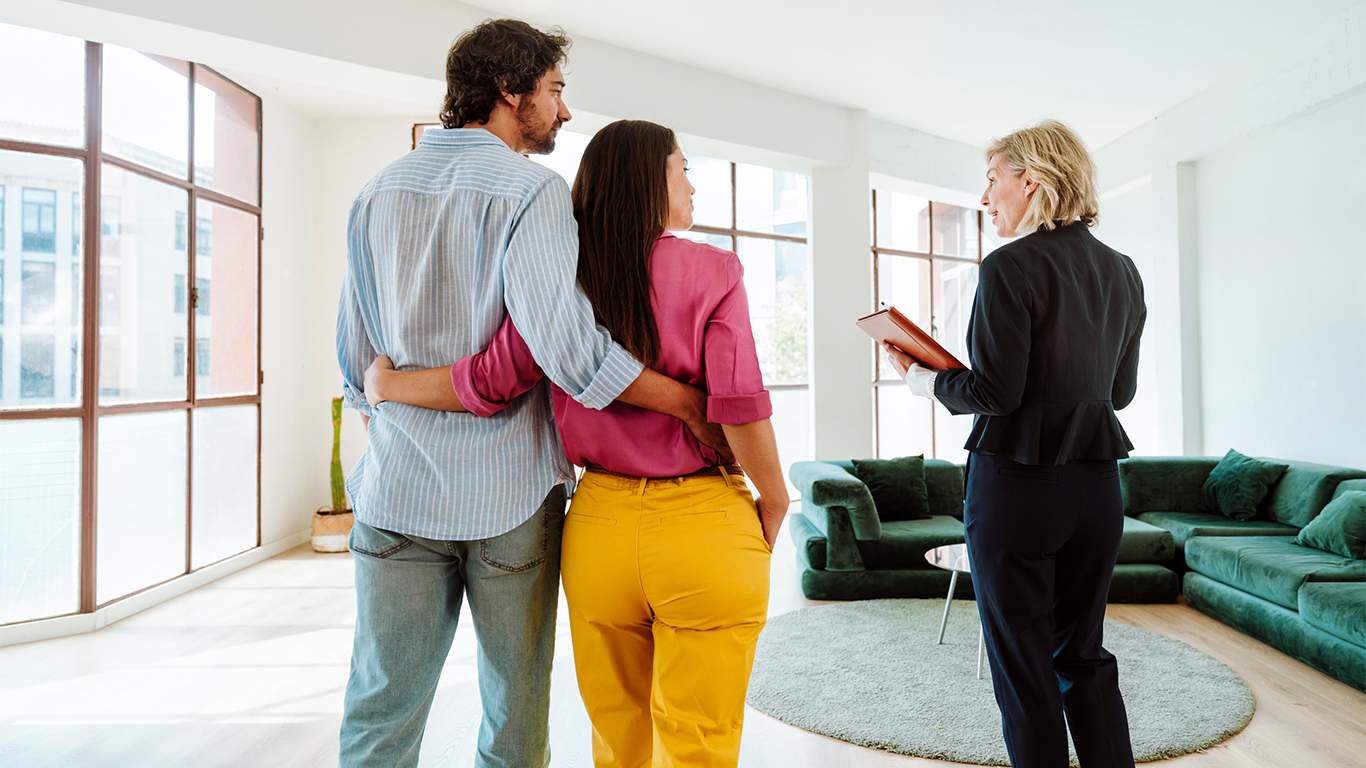
Open House Success: 16 Tips for Making a Positive Impression
Open houses can make or break a home sale, yet many sellers miss the mark on creating the right atmosphere. This guide draws on insights from real estate professionals and industry experts to help turn casual visitors into serious buyers. From staging strategies to reading buyer energy, these practical tips will help make any open house more effective.
READ MORE: OpenTable Top 100 Restaurants in America includes 3 from Arizona
LOCAL NEWS: Want more stories like this? Get our free newsletter here
- Greet Each Guest With Warm Authenticity
- Prepare Thoroughly for Strong First Impressions
- Build Genuine Connections With Every Visitor
- Make Buyers Comfortable From the Start
- Act as Hostess Rather Than Salesperson
- Read People and Match Their Energy
- Prioritize Natural Light Throughout the Space
- Showcase Moments Over Sales Pitches Always
- Help Visitors Feel Already at Home
- Address Buyer Concerns Before They Ask
- Balance Engagement With Visitor Preferences
- Market Well and Invite the Neighbors
- Focus on Connection Over Presentation Style
- Create Experiences Rather Than Host Events
- Ask People What They Actually Want
- Stage Your Home for Maximum Appeal
Greet Each Guest With Warm Authenticity
One of the most important things I’ve learned is to greet every single visitor at the door with a genuine smile, eye contact, and a warm introduction, like, “Hi, I’m [Your Name], welcome! Feel free to explore, and I’m here if you have any questions.” It immediately makes people feel comfortable instead of pressured, and it sets a friendly tone for the whole visit.
In my own open houses, that’s exactly how I always started. I’d stand near the entry (never sitting in the kitchen scrolling on my phone — that’s a pet peeve of mine), greet everyone personally, and hand them a nicely printed feature sheet. Then I’d let them tour on their own while staying available. I found that if I engaged too early with heavy selling, people clammed up, but if I gave them space after that warm welcome, they’d usually circle back with real questions. That approach consistently got me the best feedback and the most follow-up inquiries.
Prepare Thoroughly for Strong First Impressions
When it comes to open houses, I believe preparation is everything. Before the event, I walk through the property myself to make sure it feels welcoming. Lights on, blinds open, rooms decluttered, and soft music playing in the background. That first impression matters. People should walk in and immediately sense that the home has been cared for, that it is ready for its next chapter. Small touches like a pleasant scent or fresh flowers can turn a casual visit into a memorable one.
Once guests arrive, I make it a point to greet each person by name, hand them a quick info sheet, and let them explore freely. I stay nearby but never hover, just available enough to answer questions and share meaningful details about the neighborhood, schools, or upgrades. The goal is to make the experience feel easy and personal rather than transactional.
Afterward, I follow up within a day to thank them for coming and share additional photos or market insights. At the Gluch Group, we have found that this kind of thoughtful communication builds trust and keeps interest alive long after the open house ends.

Build Genuine Connections With Every Visitor
When I host an open house, I focus on creating a genuine connection with every visitor. People respond to authenticity. I make it a point to greet each guest personally and ask a few thoughtful questions about what they are looking for in a home. Understanding their needs helps me guide them through the property naturally and highlight the features that matter most to them. Listening carefully and tailoring the tour to their priorities leaves a lasting impression.
I also emphasize the importance of preparation. I make sure the home is spotless, smells fresh, and feels inviting. Small touches like fresh flowers or soft background music create a welcoming atmosphere. The goal is to help potential buyers envision themselves living in the space, which is much more impactful than simply listing features.
During the open house, I circulate and stay engaged without overwhelming anyone. Some visitors appreciate guidance while others like to explore on their own. Respecting that balance shows professionalism and builds trust. At the end of the visit, I follow up promptly to answer questions and provide additional information. These steps ensure that every interaction reflects my commitment to service and strengthens relationships within the Lansing community.

Make Buyers Comfortable From the Start
For me, the most essential tip for running an effective open house is making people feel comfortable the moment they walk through the door. Buyers decide within the first 10 to 15 seconds whether they’re going to take the home seriously, so creating the right atmosphere is everything.
My approach is simple but intentional. I always greet visitors with a warm, low-pressure welcome and let them know I’m available, not hovering. I’ve found that when people feel like they can explore freely, they actually engage more honestly with the home. I also make sure the space is staged in a way that helps buyers imagine themselves living there — natural light, clean flow, and small touches like soft music go a long way.
What’s worked best for me is focusing on connection rather than sales. If someone has a question, I answer it directly and transparently. If they’re just browsing, I give them space. That balance builds trust, and in my experience, trust is what ultimately drives offers.
Act as Hostess Rather Than Salesperson
My #1 tip is: I am the Hostess, not the Salesperson. After 20 years and hundreds of open houses in Grand Cayman, here’s what separates mediocre agents from top producers.
However, even before they arrive, I place advertisements on social media. I send personalized invitations, especially to those in the area. They might have friends who want to move into the same neighborhood. Then I double up on open house signs, flags, and banners, possibly even triple them for some areas. Nothing is more frustrating than having a trail go cold and the signs stop. I know where the listings are, but newcomers won’t.
The best open houses don’t feel like open houses; they feel like you’re visiting a friend’s home, and that friend happens to be a real estate expert. My job isn’t to “sell” the property; my job is to create an experience that visitors can’t forget and build relationships. I want to position myself as the trusted advisor they will call!
Before the open house, I think about who would be a good fit for the home or condo: a family or a vacationer. If it’s a family, I will bring a few small toys for boys and girls, again to make a connection!
Of course, I do all the everyday things, such as opening all the windows and doors, turning on the lights, and in the summer, keeping the air conditioner on to keep the space refreshingly cool. For the outdoor space, I will arrange the patio furniture and cold drinks to be visible, perhaps with a beach towel casually draped over a chair. I also like to bring fresh flowers and leave them behind for the homeowner as a gesture of thanks for allowing me to stay in their home for three hours on a Saturday.
I prepare my professional property brochures (high-quality, full-color, Engel & Völkers-branded) along with neighborhood information packets (schools, restaurants, beaches, amenities).
I welcome them and make them feel comfortable. I am not pushy, and I do not follow them like a hawk, nor am I a tour guide complete with facts and figures. I need to see their faces and reactions to each room, so I let them lead the way.
I have an information sheet where they can request information, not just “sign in,” and I follow up with a personalized email to everyone who attended and again, not pushy! I want to be helpful, warm, and professional so they will call me to show them another home if this open house is not to their liking.

Read People and Match Their Energy
I’ve always believed that an open house is less about showing a property and more about reading people. Every visitor walks in with a story, and the key is to match the home’s energy to theirs. I focus on creating a relaxed environment where people don’t feel “sold to.” I’ll open the windows, let the natural light do its work, and keep the space simple so the house speaks for itself. During conversations, I listen more than I talk. If someone mentions they work from home, I’ll point out a quiet corner that could make a great office. That kind of connection feels natural and genuine. Over the years, I’ve seen that buyers remember the comfort of being understood more than any single feature. When they leave feeling like you saw what mattered to them, that’s what makes the property stand out in their minds.

Prioritize Natural Light Throughout the Space
When preparing a house for an open house, I always focus on one thing: light. I open windows, turn on lights, pull back heavy curtains, and make sure the home looks bright and airy. A house bathed in natural light feels warm, inviting, and lived in. That sets the stage for visitors to fall in love.
Once people arrive, I greet them with a genuine smile, hand them a quick, “Take your time,” invitation, and then say, “I’m here if you have any questions about how this property in this neighborhood compares to others I’ve shown recently.” That approach positions me as a knowledgeable guide without being pushy. I wander around the house as they explore, letting them pause, letting them imagine.
Afterwards, I collect their contact information with permission and send each guest a short thank-you message with a highlight reel of the house’s strongest aspects: view, backyard potential, and layout. I include a note, “If you’re thinking about houses like this, I’d love to share what I’ve seen lately in this market.” That continuity often keeps the house and me in their mind when it’s time to make a decision.

Showcase Moments Over Sales Pitches Always
When hosting open houses, I discovered that presentation goes far beyond clean rooms and staged furniture. What matters is the energy people experience when they walk in. Homes have a way of reflecting how they are treated. If the environment feels stiff, visitors sense it instantly. I wanted every open house to feel warm, calm, and enjoyable. That included everything from the lighting to soft background music to the way refreshments were offered. These details may seem small, but together they create an atmosphere where people can truly imagine themselves in the space.
I always reminded my team that we’re not showcasing a building. We’re showcasing a future chapter of someone’s life. That required hosting in a way that felt human and not transactional. If someone lingered in a room, I never interrupted their thoughts. I allowed buyers to connect privately with the space because that is where emotional decisions begin. My philosophy has always been that buyers fall in love with moments, not sales pitches.
After visitors explored, I made myself available to answer questions, but I avoided giving over-rehearsed responses. I shared honest insights from my experience helping families in Nashville. If a home might not be the best fit, I said so. Transparency is powerful in real estate. It shows people you are looking out for them. Some of those honest conversations led buyers to other listings we had that better suited their needs. Many clients later came back and said the trust built during that first open house stayed with them long after the event ended.

Help Visitors Feel Already at Home
The most essential tip for running an effective open house is simple: make people feel like they’re already living there.
In my own open houses, I never focused on “selling the property.” I focused on removing friction. That meant warm, low-pressure greetings, a quick 20-second highlight reel tailored to the visitor (schools for families, lifestyle features for retirees, ROI for investors), and then giving them space to explore without hovering.
The subtle touches matter: natural light, a clean scent, soft music, and small staging tweaks that highlight how the home actually lives day-to-day. When visitors don’t feel watched or rushed, they ask better questions — and that’s when real conversations start.
Create comfort, remove pressure, and let the house do most of the talking.

Address Buyer Concerns Before They Ask
As a Texas Realtor, my open house strategy starts with one simple idea. I put myself in the buyer’s shoes and anticipate the questions I would have if I were walking in for the first time.
Buyers decide how they feel about a home within minutes, so addressing concerns early makes a huge difference in how long they stay and how confidently they move forward.
For older homes, the foundation is almost always a quiet worry. Instead of letting that doubt linger, I come prepared with a full third-party engineering report ready to hand out. It shows that the home has been evaluated by a licensed expert and that there is nothing to hide. Buyers immediately relax, ask more meaningful questions, and shift their attention to what they love about the property.
Open houses are all about removing uncertainty. When visitors feel informed and taken care of, the entire experience changes for the better.

Balance Engagement With Visitor Preferences
I start every open house by stepping into the house with fresh eyes, imagining what a potential buyer would notice first. I check lighting, temperature, and staging to ensure the home feels ready to be lived in. I focus on creating an inviting environment that allows visitors to picture themselves in the space. For buyers, feeling comfortable in a home is often the difference between interest and a passing glance.
During the open house, I balance engagement and space. Some visitors want to chat about real estate trends and features, while others prefer to explore quietly. I pay attention to their style and adapt my approach, highlighting features like room flow, backyard potential, or storage options. Listening to what matters to them ensures they connect with the house personally.
After the event, I reach out with a follow-up message thanking them for attending and offering more details about the property. This simple touch maintains momentum and shows that I care about their home search. Taking these steps consistently is part of what makes us a trusted name in real estate.

Market Well and Invite the Neighbors
One important tip for a successful open house is to ensure it is well marketed from the beginning. I always invite neighbors and nearby homeowners, since they often know someone looking to move into the area. Hosting a “mega open house” is also a great strategy, as it creates excitement, draws more foot traffic, and boosts exposure. I like to reach out to agents with nearby listings to coordinate open houses on the same day. It’s a win for everyone and multiplies marketing efforts across the neighborhood.
Focus on Connection Over Presentation Style
One essential tip for handling open houses is to focus on connection rather than just presentation. People remember how they feel when they walk through a home.
I always tell agents to greet visitors genuinely, give them space to explore, and then ask questions that help you understand what they’re really looking for. Instead of trying to sell the home, position yourself as a helpful local expert who can guide them through the buying process.
That personal approach builds trust and often turns a casual visitor into a serious client. It’s all about connection!

Create Experiences Rather Than Host Events
One thing I’ve learned over the years is that the most effective open houses don’t feel like “events”; they feel like experiences tailored to the people who walk through the door. If there’s one essential tip, it’s this: set the tone before visitors even step inside. The first 10 seconds shape their entire perception of the home and, by extension, of you.
When I host an open house, I focus heavily on creating a welcoming, low-pressure environment. Buyers can feel sales tactics a mile away, so I keep the space open, let them move at their own pace, and make the home do most of the talking. My role is to be available, observant, and genuinely helpful — not hovering, but ready with smart, property-specific details when they’re needed.
A few things that have consistently made a difference for me:
1. Prepare the home beyond the basics. Instead of just tidying and turning on the lights, I think about how people feel as they enter: clean scent, natural lighting, temperature, music at the right level, and removing anything that pulls attention away from the home’s strengths.
2. Ask questions instead of pitching. Early on, I used to over-explain everything. Now I ask buyers, “What are you looking for in your next home?” Their answers guide the conversation and help me highlight features that matter to them, not to me.
3. Give space, but be intentional with follow-up. I let people explore without interruption, then reconnect near the end to answer questions or point out details they might’ve missed. It creates trust and gives me better quality conversations.
4. Always provide a value-driven takeaway. Even if they’re not serious buyers, every visitor leaves with something helpful: market insights, strata details, neighborhood intel, or a clear next step. It positions me as a resource, not just an agent running an open house.
This approach has helped me build strong relationships, convert casual walk-ins into serious clients, and ensure sellers feel their home is being showcased at a high level.
If open houses are treated as a chance to earn trust rather than “sell the home,” the impression you leave lasts far beyond that Sunday afternoon.

Ask People What They Actually Want
At my open houses, I stopped pushing houses and just asked people what they actually wanted. It didn’t lead to instant sales, but people started coming back, sometimes with friends. It turns out, just talking about what matters to them works better than any pitch.
Stage Your Home for Maximum Appeal
In my experience, the biggest game-changer for any open house is staging. Staging simply means getting your home ready so it looks its absolute best — clean, bright, warm, and welcoming. The goal is to help buyers imagine their own life in the space, because once that emotional connection happens, that’s when buyers often say, “Yes, this is the one.”
The good news is that staging doesn’t have to be stressful or expensive. You don’t need to hire a professional if you don’t have the budget or go shopping for new furniture. In fact, small, simple changes can do the trick and make your home look bigger, fresher, and more inviting.
Here are the staging strategies I usually follow when hosting open houses and also recommend to every seller:
-
Clear off countertops, remove extra decor, and tuck away personal items.
-
Open all curtains and blinds and let in as much light as possible.
-
Stick to clean and neutral colors when it comes to bedding, rugs, pillows, and walls.
-
Remove bulky and extra furniture. This creates clear walking paths and makes the home feel bigger.
-
Add a few warm, welcoming touches such as fresh flowers, green plants, a bowl of fruit, or neatly folded towels.
Trust me, these simple but effective strategies can work wonders in creating a lasting, positive impression at an open house.