The summer solstice is set for June 21, and a heat wave isn’t the only thing emerging with the new season. Whether they have scales or fur, not all critters who are active during the dog days of summer are friendly. Here are 5 animals to look out for as they adventure from their homes to bask in the sun’s rays.
Rattlesnakes
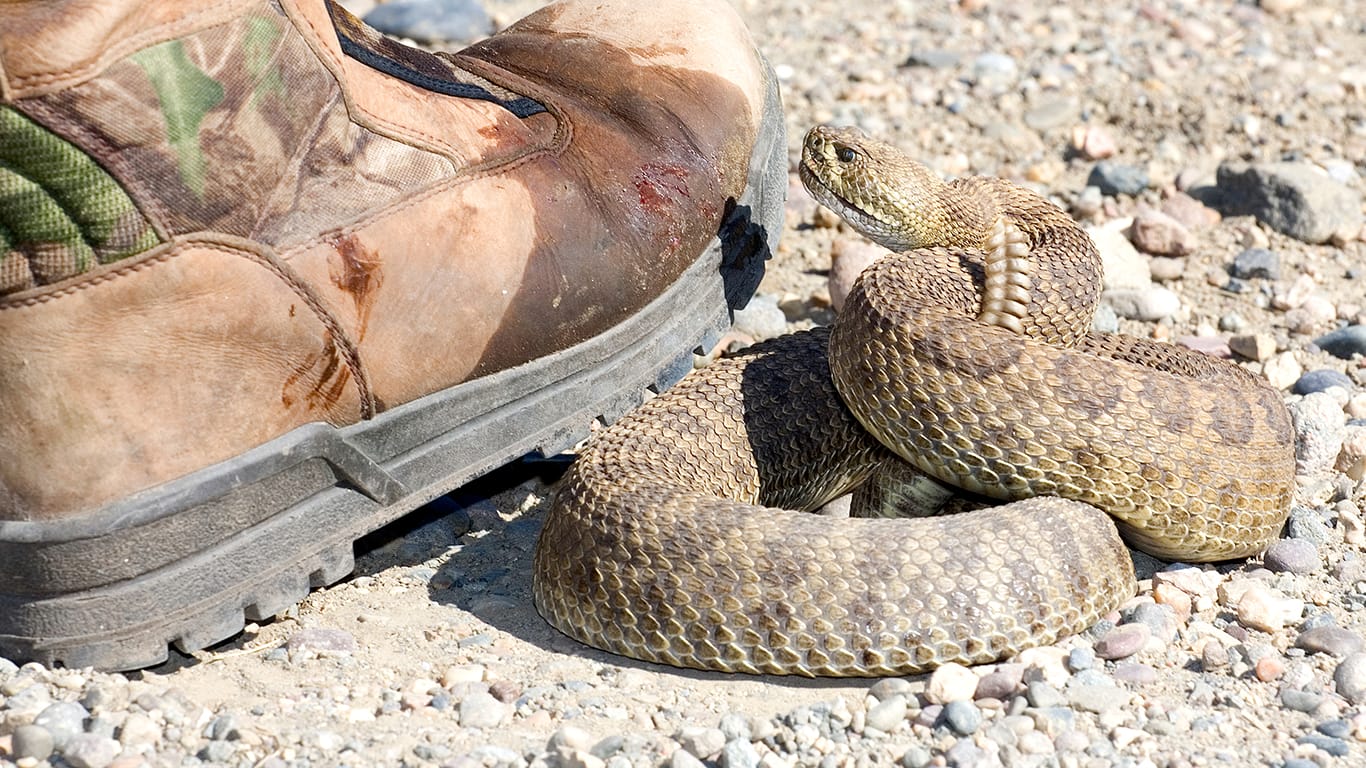
In Arizona, rattlesnake season is March to October. The reptile is most active at night during the hot summer months, while in the day, they can be found basking in the sun or tucked away in the shade. There are about 15 species of rattlesnakes spanning the metro Phoenix to Tucson area, with the most encountered being the Western Diamondback, Mojave, Black-tailed and Sidewinder — all venomous.
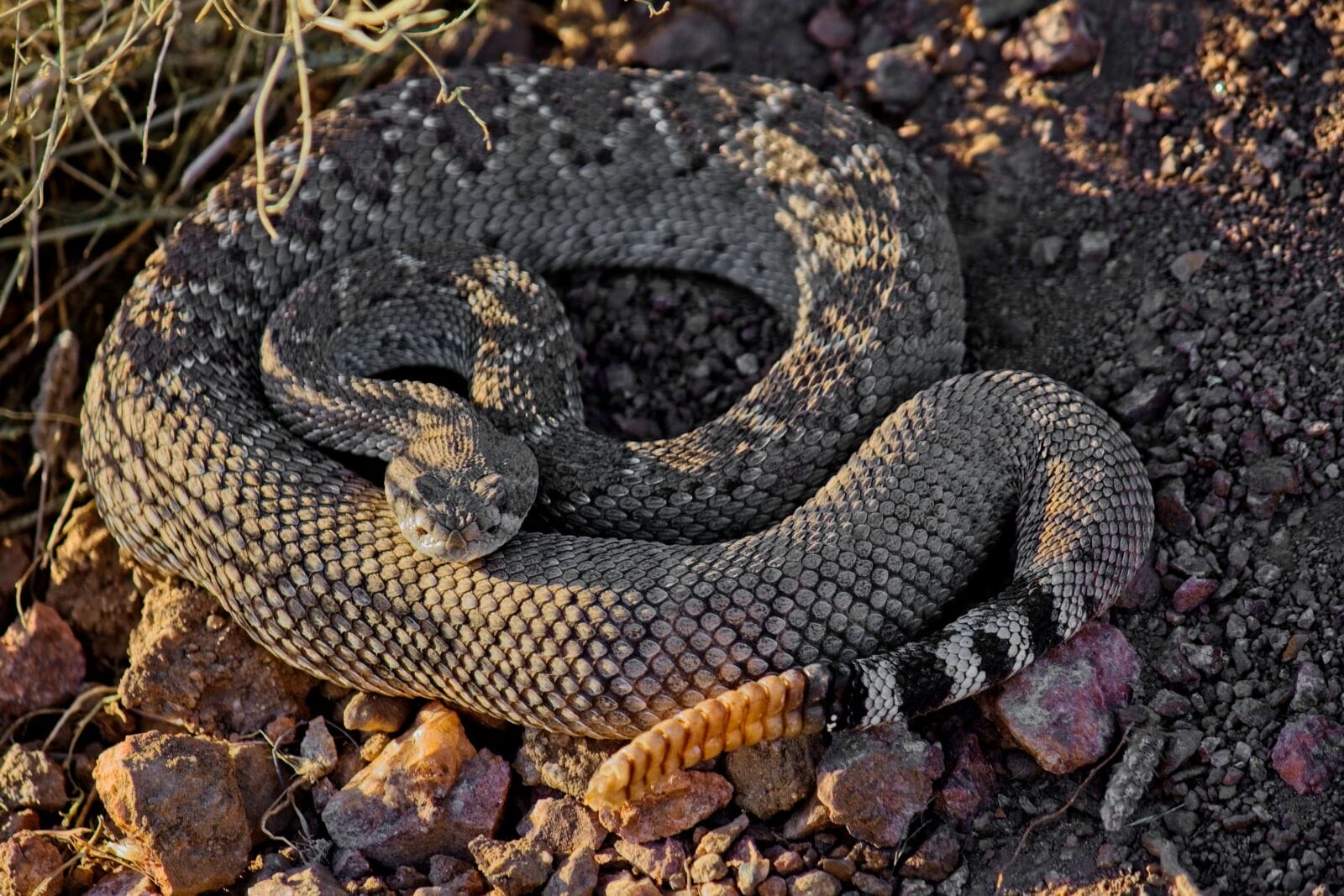
During rattlesnake season, it’s important to stay alert when outside, especially at night. Travel with a flashlight, and remain aware of your surroundings by listening out for any indicators that a snake may be near. In case a rattlesnake bites you, seek medical attention immediately, decrease movement, immobilize the bite area, keeping it below your heart and never apply ice or a tourniquet to the area.
Scorpions
Most active during warm summer nights is the scorpion, a desert arachnid, with 40-60 species spanning the state of Arizona, making it home to one of the most diverse populations. The bark scorpion is the only species that poses a medical threat and coincidentally, is the scorpion most found in the home. The bark scorpion is often found under rocks, logs, tree bark and in other rocky habitats.
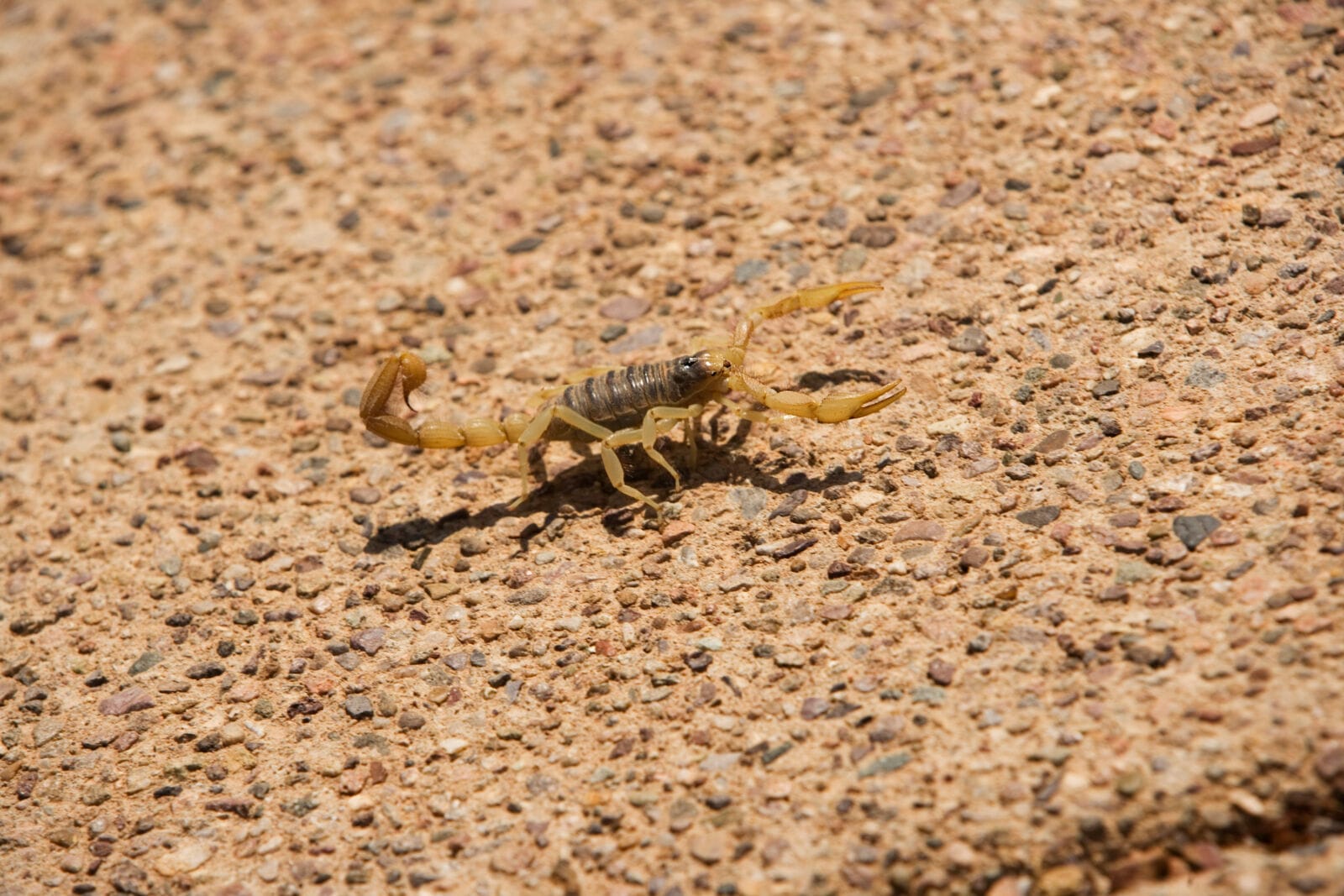
Scorpion stings come with immediate local pain, numbness and tingling that travels throughout the body. The area is often sensitive to touch and temperature. Small children who are susceptible to severe reactions face the greatest risk, while most adults who are stung can manage the issue at home with basic first aid.
READ MORE: 25 of the best Arizona staycation deals for 2026
Javelinas
Javelinas are a species of hoofed mammal that originate from South America and are now common in much of central and southern Arizona. As herd animals, they travel in groups of two to more than 20, and rely on each other for protection, comfort and community. Javelinas exist in areas with dense vegetation and are most active at night.
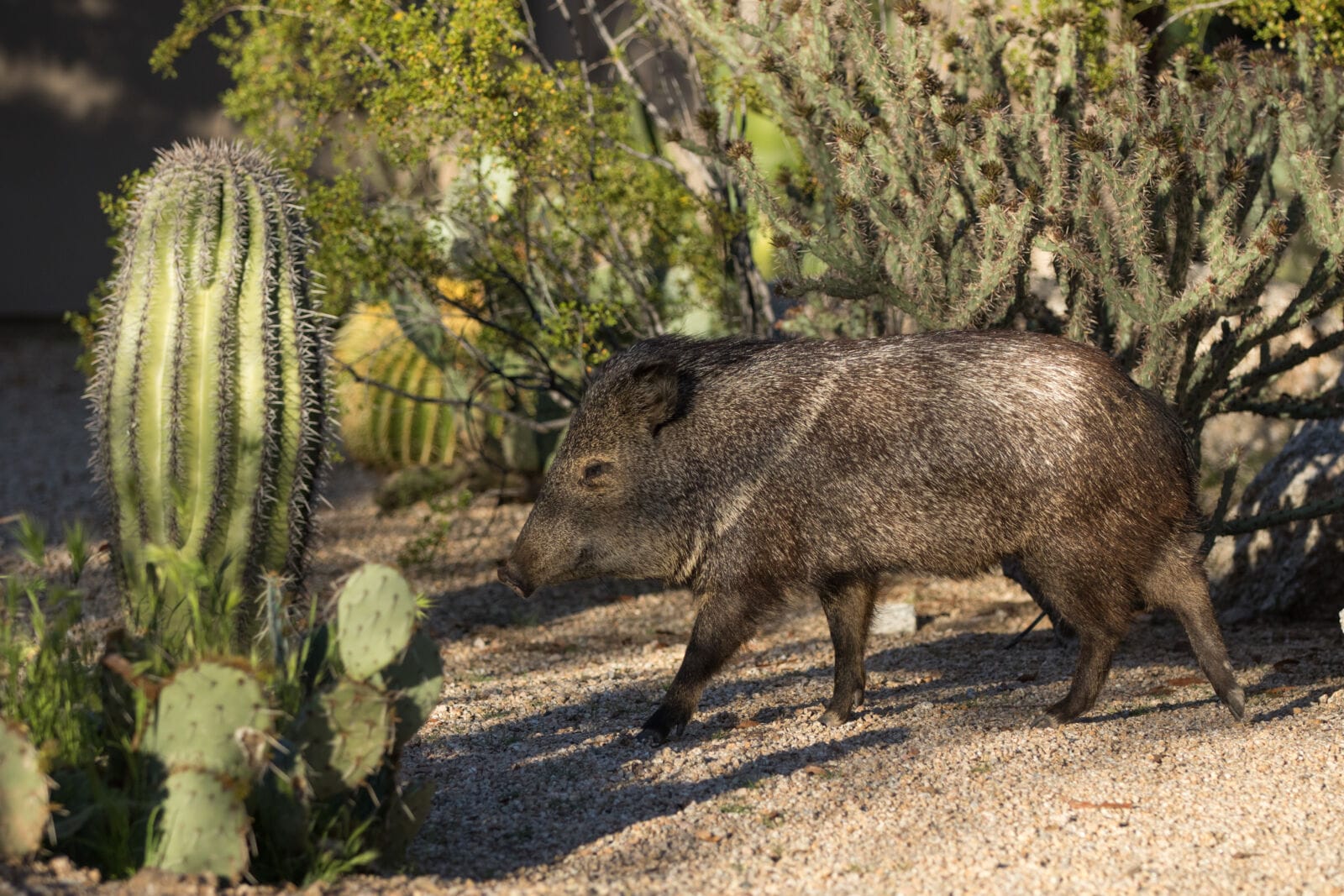
Attacks on people are rare, but a javelina could be dangerous if it feels cornered and threatened. To avoid potential harm, it is important to never feed javelinas, act quickly to avoid them while walking your dogand be prepared to scare them off with loud noises.
Gila Monster
Of the Sonoran Desert reptiles, the Gila monster is the rarest one to encounter — a good thing, as the animal is one of two venomous lizards living in North America. The lizards are most often found about from March to June and are primarily active during the early morning or late afternoon, although they can emerge at night during hotter months.
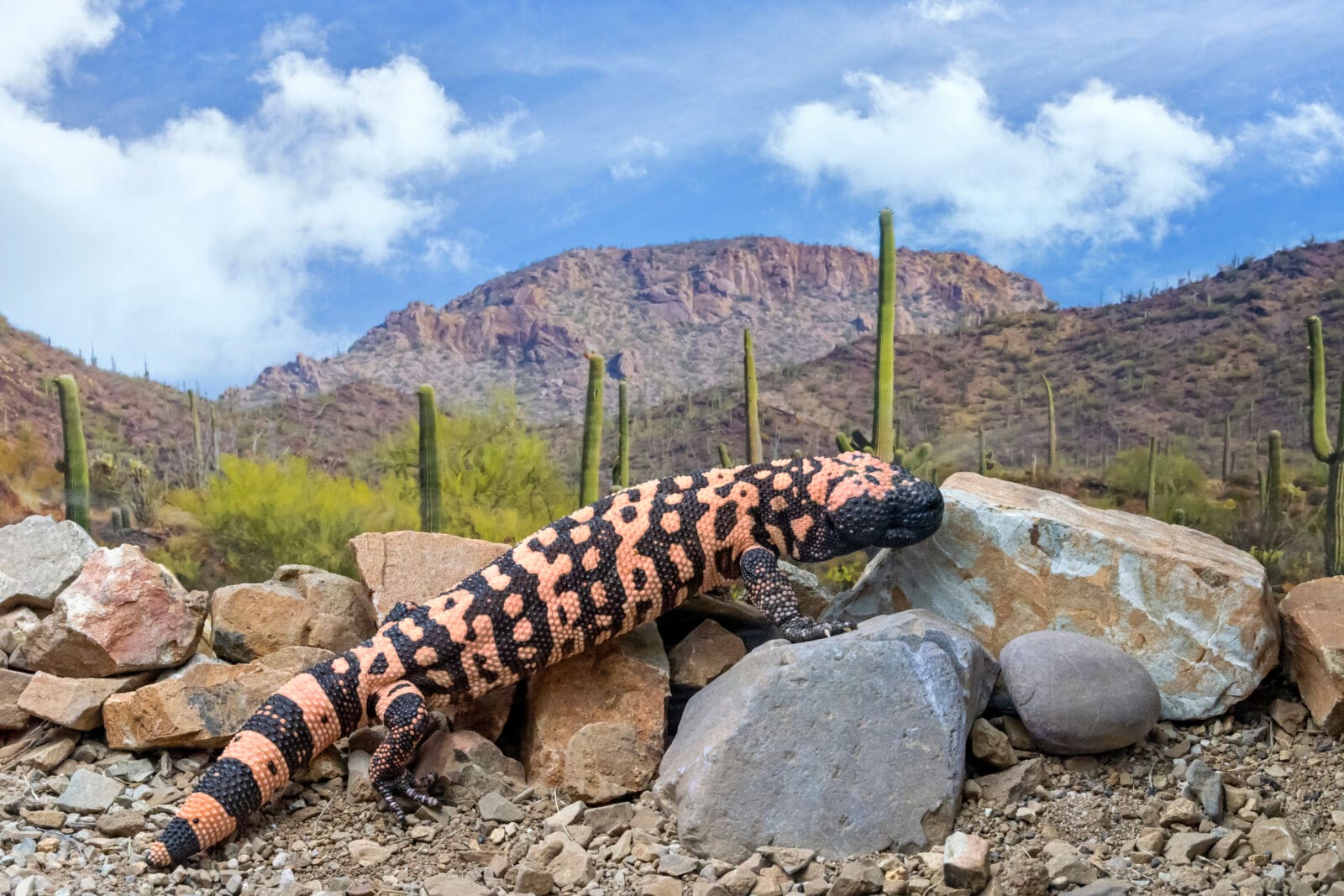
Gila monsters remain out of sight for about 98% of the year, living in burrows, nests, caves or dens. They emerge on the surface for a few hours each year to dig, hunt or bask in the sun. If confronted or constrained, to protect itself, a Gila monster will utilize its venomous bite.
Round-tailed ground squirrel
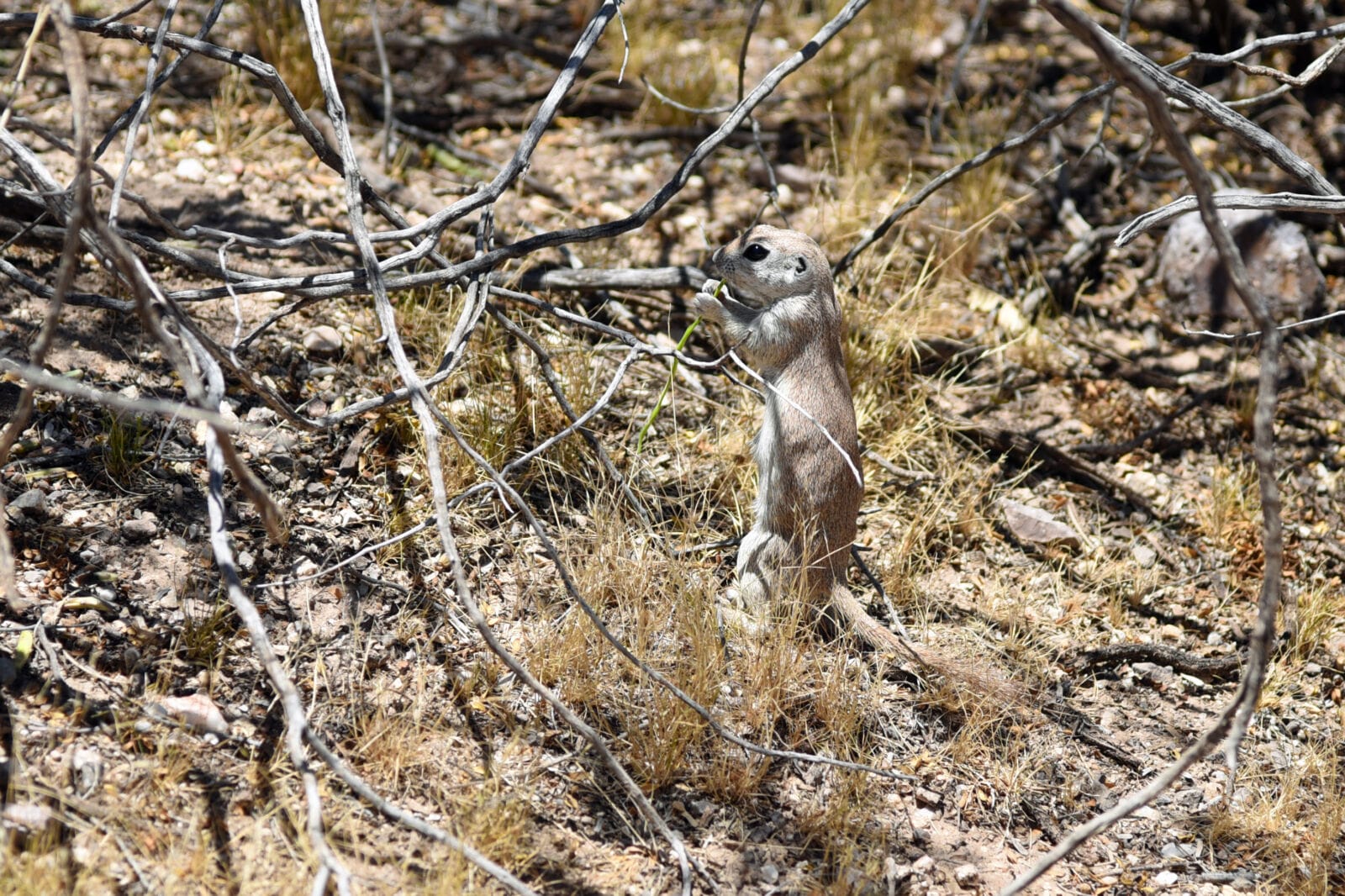
To end on a lighter, non-venomous note, another animal you might see scampering around this summer is a round-tailed ground squirrel. They are social animals with an appearance similar to that of a prairie dog. Following foraging for food, the squirrel enjoys relaxing in the sun or shade. Round-tailed ground squirrels typically live in open, flat valleys, where they can burrow. By May, mother and youngster ground squirrels will emerge for several hours of daytime play and feed, returning to their burrow in the afternoon when the sun cools down.