Walk through almost any home garden, and you’ll probably find familiar favorites like tomatoes, peppers, beans, and squash. These vegetables have earned their place because they are productive and dependable. Now and then, gardeners discover a crop that feels both new and timeless. Amaranth is one of those plants.
As more people look beyond traditional vegetables, resources like survivalgardenseeds.com have helped introduce gardeners to crops that have been grown for centuries but are still surprisingly uncommon in many home gardens. Amaranth stands out because it combines beauty, versatility, and productivity in ways that few other garden plants can match.
Why More Gardeners Are Rediscovering Amaranth
Gardening trends often come full circle. Once common plants sometimes fade from everyday gardens, only to return when growers begin searching for something different.
Amaranth is benefiting from this renewed interest because it offers practical value while still feeling fresh and unusual.
Looking Beyond Common Vegetables
Growing the same vegetables every year can become predictable, even for experienced gardeners. Reliable favorites will always have a place, but many people eventually want crops that add new colors, textures, or harvests to the garden.
Amaranth provides that change without requiring a completely different approach. It fits into familiar garden plans while still offering something distinctive. For people who enjoy learning as they grow, it can make an established vegetable bed feel new again.
Interest in Traditional Crops Is Growing
More gardeners are exploring heritage plants with long histories of cultivation. This reflects a growing interest in crops that supported communities before modern grocery stores and large-scale farming became common.
Amaranth fits naturally into that movement. It has been grown across many cultures for centuries, yet it still feels like a discovery to many modern gardeners. Planting it creates a connection to the past while adding something useful to today’s backyard garden.
A Crop That Sparks Conversation
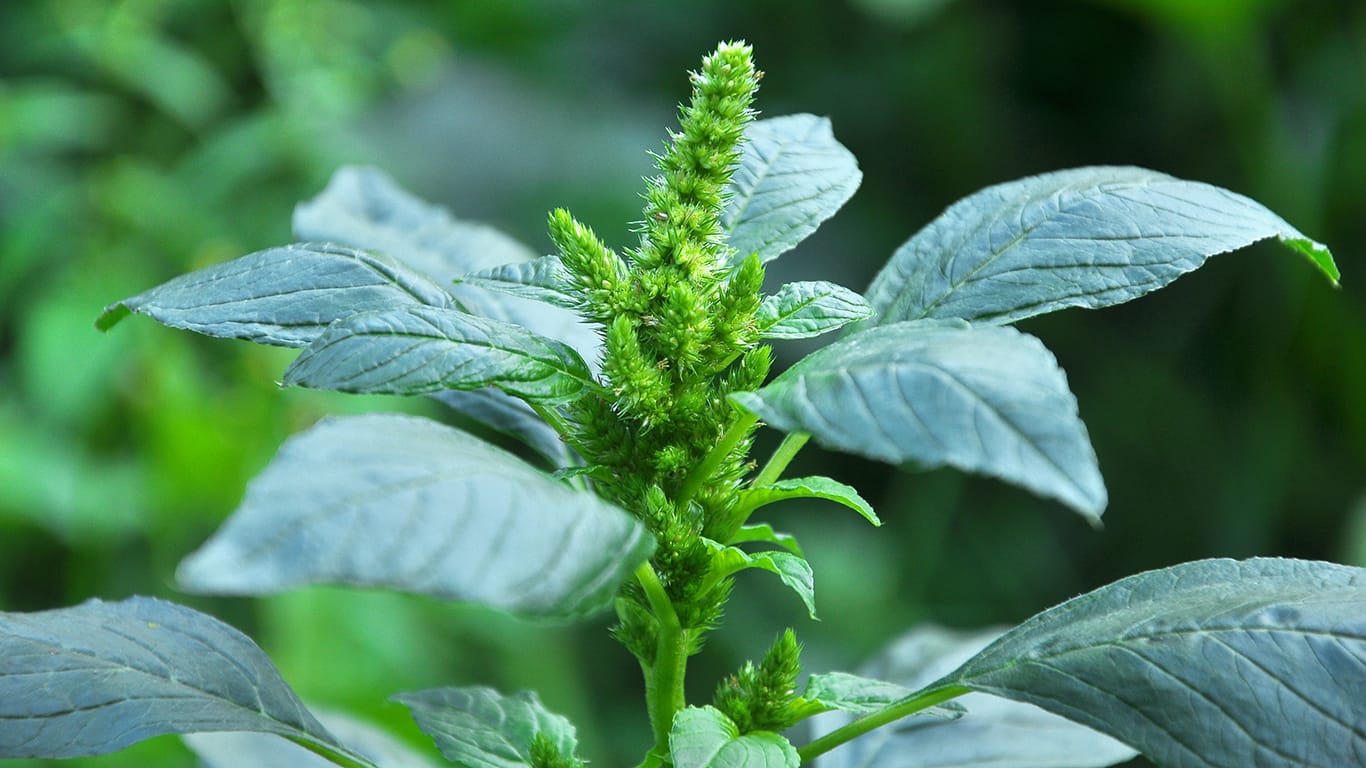
Not every plant attracts attention, but amaranth often becomes a focal point. Its height, colorful foliage, and distinctive flower plumes stand out from a distance.
Friends and neighbors may ask what it is, creating a natural opportunity to share information about a lesser-known crop. These conversations often encourage other gardeners to try something beyond the usual tomatoes, peppers, and beans.
What Makes Amaranth Different from Common Garden Crops?
Every garden contains plants that serve a particular purpose. Some provide food, others add structure, and some bring seasonal color.
Amaranth is unusual because it can fill several of these roles at once.
More Than One Harvest from a Single Plant
Many vegetables provide one main harvest before their season ends. Amaranth offers more than one useful stage, which makes it feel productive for a longer part of the growing season.
Young leaves can be harvested while the plant is still developing. Later, mature plants produce grain that can be collected and used in different ways. Having two harvest opportunities from one crop is especially valuable when garden space is limited.
A Heat-Loving Summer Performer
Extended summer heat can slow many popular vegetables. Some plants struggle to maintain steady growth once temperatures remain high for long periods.
Amaranth usually welcomes warm conditions. Once established, it can continue growing while cooler-season crops begin to fade. This makes it a useful choice for gardens that need dependable color and productivity during the hottest weeks of summer.
A Plant That Looks as Good as It Produces
Few edible plants are chosen for their appearance, but amaranth is an exception. Its upright growth and bold foliage allow it to serve as both a food crop and an ornamental feature.
Different varieties may offer green, red, or burgundy foliage, along with dramatic flower plumes. These qualities help amaranth blend into flower beds, mixed borders, or vegetable gardens without looking out of place.
Finding a Place for Amaranth in the Garden
First-time growers are often surprised by how easily amaranth fits into an existing plan. It has a distinctive appearance, but it does not require the whole garden to be redesigned around it.
Once gardeners understand its growth habit, they often find several places where it can add both beauty and function.
An Excellent Companion to Traditional Vegetables
Amaranth blends well with familiar summer crops. Its upright growth adds height to planting beds without taking over the entire space.
This vertical form can break up rows of lower plants and make the garden feel more balanced. A few well-placed plants can add structure beside vegetables such as beans, peppers, or squash.
A Strong Choice for Edible Landscaping
Edible landscaping combines food crops and ornamental plants in the same space. The goal is to create a garden that looks attractive while still producing useful harvests.
Amaranth fits this approach naturally. Its foliage and flower plumes provide color and texture, while its leaves and grain add edible value. It is a strong example of how one plant can support both beauty and productivity.
Suitable for Gardens Large and Small
You do not need a large property to grow amaranth. It can work in backyard plots, raised beds, and carefully planned urban gardens.
Even a small planting can add height, color, and harvest potential. This makes amaranth a practical choice for gardeners who want to try something different without giving up a large part of their growing space.
Small Details That Make a Big Difference
Some plants become favorites because of qualities that are easy to overlook at first. Amaranth has several of these smaller advantages, and they become more noticeable as the season progresses.
As gardeners spend more time with the plant, these traits often become some of the biggest reasons they choose to grow it again.
Rapid Growth Keeps Gardening Interesting
Few things are as satisfying as seeing clear progress in the garden. Amaranth often grows quickly once warm weather arrives, giving gardeners visible results throughout the season.
This can be especially encouraging for beginners. Watching a small seedling grow taller and stronger helps build confidence and keeps the growing process interesting.
A Garden That Changes Over Time
Some crops look much the same from planting to harvest. Amaranth offers a more dynamic experience.
Young plants gradually develop into tall specimens with striking flower plumes and seed heads. Each stage brings something new to observe, so the plant continues contributing visual interest long before harvest.
An Opportunity to Learn Something New
Trying an unfamiliar crop helps gardeners expand their knowledge. Amaranth introduces different growth habits, harvest stages, and uses than many common vegetables.
Even experienced growers often learn something new the first time they plant it. That sense of discovery is one reason many gardeners choose to include amaranth again in future seasons.
Why Diversity Makes Every Garden Better
Successful gardens rarely depend on only one or two crops. A diverse garden is often more resilient, more interesting, and better able to stay productive when conditions change.
Adding a mix of familiar and lesser-known plants creates a garden that keeps offering something new throughout the growing season.
Different Plants Bring Different Strengths
Every crop contributes something useful. Some produce abundant fruit, others cover the soil, and some add structure or color.
Amaranth contributes in several ways at once. It offers height, visual appeal, multiple harvest stages, and strong performance in warm weather. Adding plants with different strengths helps create a garden that changes naturally throughout the season.
Encouraging Pollinators Naturally
A garden with many flowering plants is often more attractive to bees and other beneficial insects. These visitors help support a healthy and active growing space.
As amaranth flowers develop, they become part of that broader landscape. Their presence can add another source of interest for pollinators moving among nearby vegetables, herbs, and flowers.
Making Gardening More Enjoyable
Growing unusual crops can make gardening feel more rewarding. New plants bring different shapes, growth patterns, and harvests to observe.
This variety keeps the experience from becoming repetitive. It also encourages gardeners to experiment, compare results, and discover crops that may become lasting favorites.
Interesting Facts About Amaranth
Many people know very little about amaranth before they grow it. A few simple facts help explain why this ancient crop still earns attention in modern gardens.
Learning about its background often makes the plant even more rewarding to grow and appreciate.
It Has Been Cultivated for Thousands of Years
Amaranth may feel like a recent discovery, but people have cultivated it for thousands of years. Different cultures valued it as a dependable and versatile crop.
Its continued use reflects its adaptability and usefulness. That long history gives modern gardeners a chance to grow something with deep roots in traditional food systems.
It Combines Food and Beauty
Most edible plants are grown mainly for their harvest. Amaranth also offers strong ornamental value.
Its dramatic foliage and flower plumes allow it to function as both a useful crop and a decorative feature. This combination appeals to gardeners who want productive spaces that still look inviting.
It Continues to Surprise First-Time Growers
Many gardeners plant amaranth out of curiosity and are unsure what to expect. By the end of the season, it often becomes one of the most memorable plants in the garden.
Its rapid growth, changing appearance, and multiple uses leave a strong impression. Those qualities help explain why many first-time growers decide to include it in future planting plans.
Why Amaranth Is Worth a Second Look
It is easy to understand why tomatoes, beans, and peppers dominate home gardens. They are familiar, dependable, and productive. Still, some of the most rewarding growing experiences begin with an unfamiliar crop.
Amaranth brings history, beauty, productivity, and versatility together in one plant. It complements familiar vegetables while adding color, diversity, and more than one harvest opportunity. For gardeners who want to explore something different without taking on a difficult crop, amaranth is well worth a closer look.