Living in Arizona comes with breathtaking desert sunsets, vibrant blue skies, and winters that make the rest of the country jealous. But when summer rolls around, the reality of extreme heat sets in. High temperatures don’t just push your air conditioner to its limit. They wear down roofs, damage outer walls, strain pool pumps, and send monthly utility bills right through the roof.
Making your home resilient against relentless heat isn’t just a matter of staying comfortable. Honestly, it’s a smart financial strategy that protects your property value and keeps long-term energy expenses under control. However, upgrades like heat-reflective roofing, high-efficiency cooling systems, and specialized window insulation require real planning. Knowing how to budget for these projects lets you strengthen your living space without stressing your personal finances.
Have you ever stopped to calculate how much peak summer weather actually costs you every single year? You know, when you’re standing by the thermostat in July, staring at a three-figure electric bill, it hits a little differently.
It adds up faster than most of us realize.
Identifying the Upgrades Your Home Needs Most
Before looking at numbers, it helps to assess where your home loses the most energy and suffers the worst wear during peak heat months. You don’t need to tackle every project at once. Prioritizing updates based on impact and urgency keeps your spending structured and manageable.
1. Advanced Cooling and HVAC Efficiency
Your central air unit is the heart of your home during an Arizona summer. Older units work twice as hard to maintain cool temperatures, leading to higher electric bills and eventual breakdowns. Upgrading to a high-efficiency system or installing smart thermostats can immediately lower your daily operational costs.
And the savings start almost right away. I guess that’s the real relief when August hits.
2. Heat-Resilient Roofing and Cool Roof Coatings
Traditional asphalt shingles absorb massive amounts of heat, transferring that thermal energy straight into your attic and living spaces. Reflective tile materials, light-colored metal roofs, or specialized silicone roof coatings reflect sunlight away from the structure. This significantly reduces interior temperatures and preserves your home’s structural integrity over time.
3. Dual-Pane Low-E Windows and Solar Shades
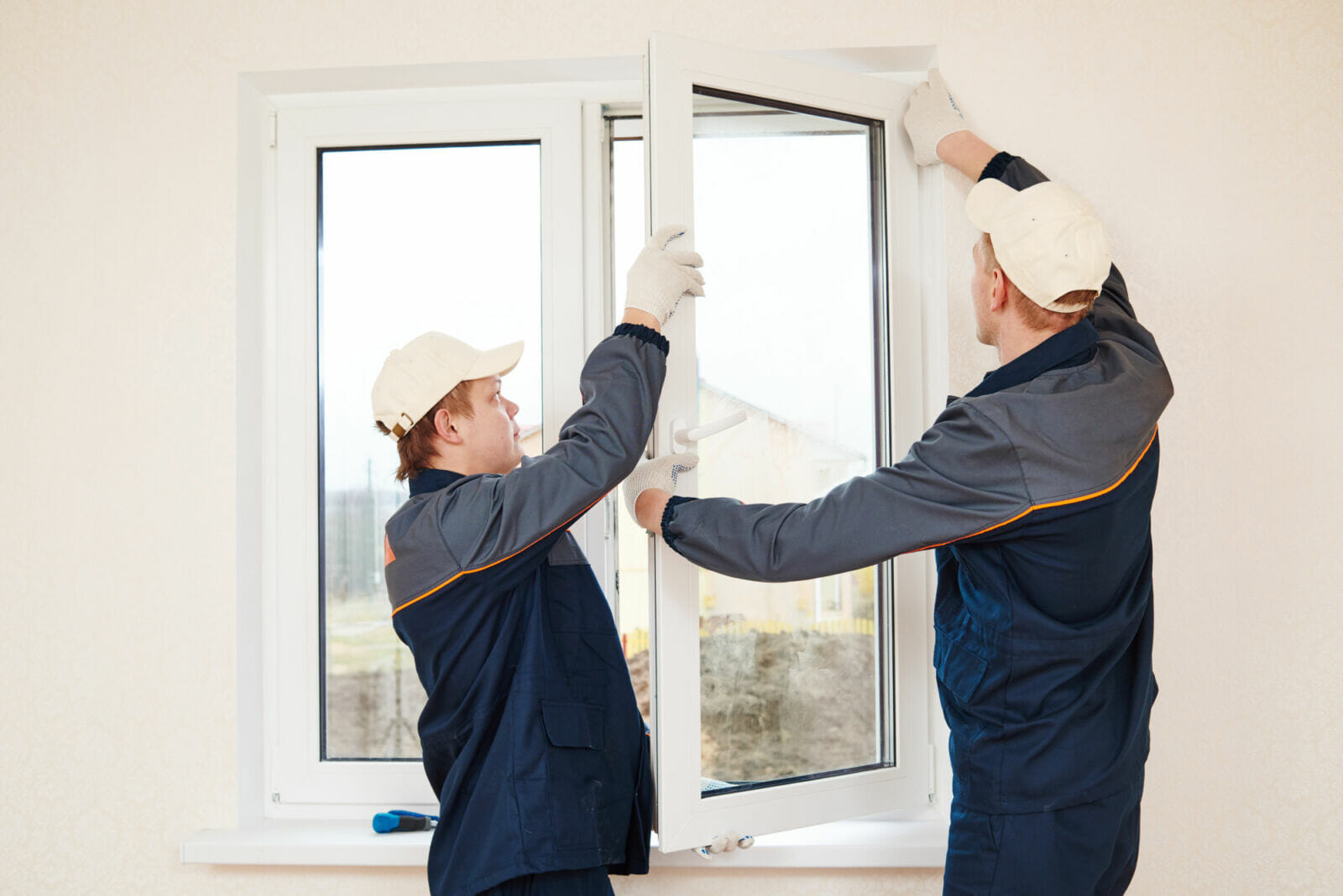
Windows are major sources of heat gain. Standard glass lets in solar radiation that turns living rooms into oven-like spaces. But what if you could block that intensity before it even crosses your threshold? Upgrading to double-pane windows with Low-E coatings, or adding heavy-duty exterior solar shades, blocks harmful rays while keeping cooled air trapped right inside.
4. Heat-Tolerant Landscaping and Exterior Shading
Desert-friendly landscaping goes way beyond saving water. Strategic placement of shade trees, shade sails, and hardscaping can shield south and west-facing walls from direct sunlight. This creates natural thermal barriers around the building perimeter. You can literally feel the cool shade on the outer walls on a blazing afternoon.
Building a Practical Budget for Upgrades
Once you know which projects matter most, creating a clear budget ensures you don’t overspend. Heat-proofing projects range from affordable weekend updates to major capital investments.
So where should you actually begin?
Start by gathering multiple estimates from licensed local contractors who truly understand desert construction standards. Ask for detailed breakdowns covering materials, labor, and expected timelines. Setting aside a contingency fund of 10% to 15% above estimated costs covers unexpected structural repairs or material price changes.
And that’s the point. A safety buffer keeps unexpected surprises from ruining your plans.
It’s also wise to explore local utility rebates and federal energy-efficiency tax credits. Many regional power providers offer cash incentives for installing efficient heat pumps, sealing air ducts, or adding attic insulation. These programs directly lower your out-of-pocket costs and shorten the time it takes for upgrades to pay for themselves.
Exploring Financing Options for Major Upgrades
While minor fixes can be covered through monthly savings, substantial renovations often require dedicated funding options. Choosing the right financing strategy depends on your financial stability, available savings, and existing property equity.
Out-of-Pocket Savings
If you have a built-up reserve fund, paying cash avoids interest charges and debt obligations. However, draining your emergency fund entirely for home improvements is risky, especially when summer storms or sudden maintenance issues arise.
Utility and Energy Financing Programs
Some energy providers and local municipalities offer specialized financing for green home improvements. These loans are designed specifically for energy efficiency upgrades, often featuring competitive interest rates tied to projected energy savings.
Utilizing Property Equity
For larger, comprehensive projects like roof replacements or whole-home window upgrades, leveraging your home’s equity can provide competitive rates and structured payment schedules. Securing an online home equity loan offers predictable monthly payments and access to lump-sum funding without disturbing your primary mortgage rate. This consistency makes it much easier to plan long-term budget adjustments alongside expected seasonal utility savings.
DEEPER DIVE: Here are Arizona’s Most Admired Companies of 2026
Balancing Short-Term Costs with Long-Term Value
Investing in heat resilience is an ongoing process rather than a one-time event. Upgrades should always be viewed through the lens of long-term return on investment.
While a heat-reflective roof or new cooling unit requires upfront capital, the immediate drop in summer utility bills helps offset those expenses over time. Furthermore, homes equipped with modern energy-efficient features attract stronger buyer interest in competitive real estate markets. Buyers appreciate knowing a property is prepared to withstand extreme heat without demanding constant repairs.
Is the upfront investment worth the peace of mind down the road? Absolutely. Maybe more than we give it credit for.
Taking Action Before the Heat Sets In
The worst time to plan for summer heat is when temperatures are already crossing triple digits. Contractors face peak demand during summer months, leading to higher labor rates and longer wait times.
Planning your improvements during late autumn, winter, or early spring gives you room to compare quotes, secure financing, and complete installations comfortably. By taking a proactive approach today, you protect your home, stabilize your energy budget, and ensure your living space remains comfortable all year long.