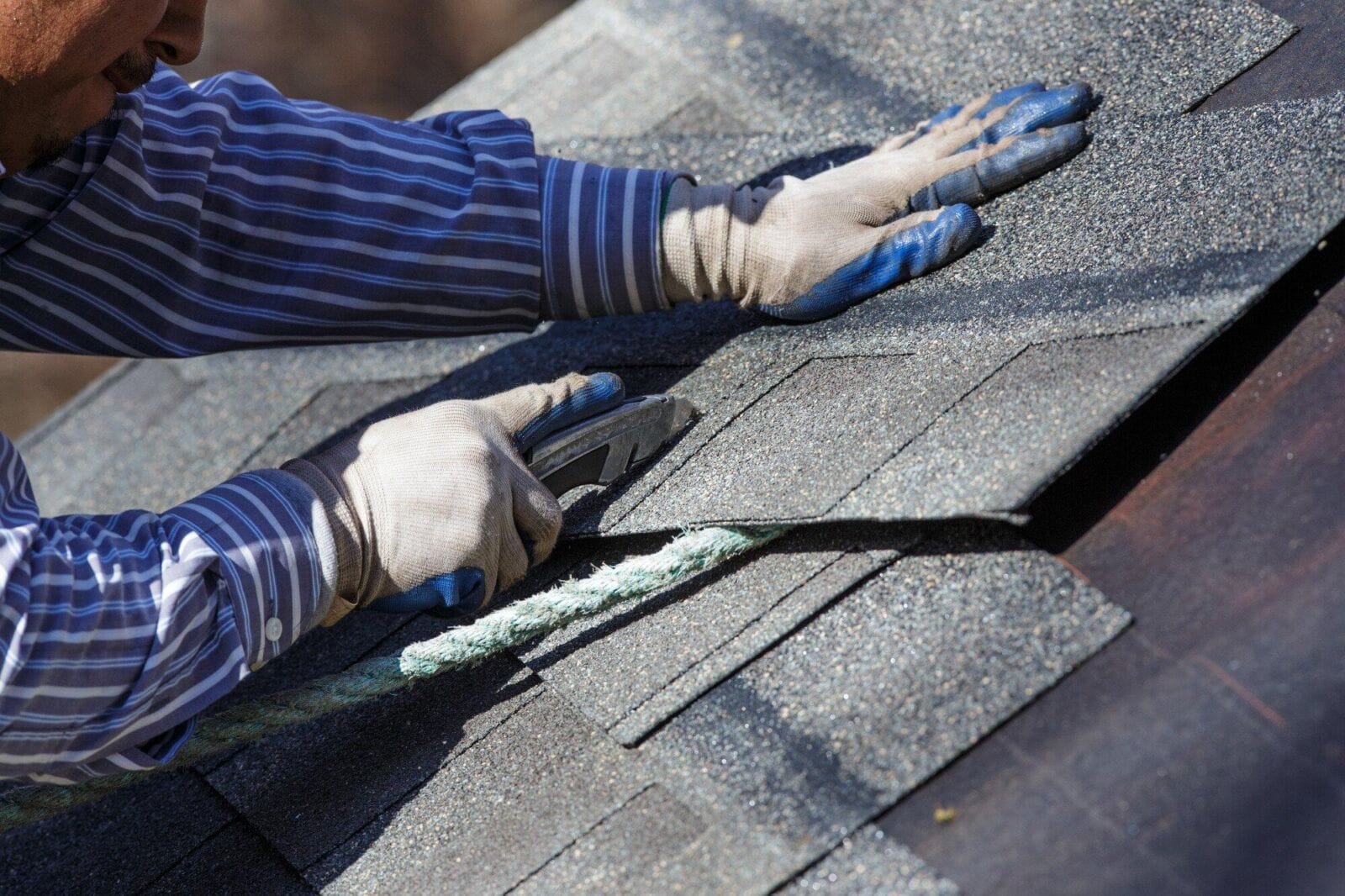
One loose shingle does not feel urgent.
Neither does a faint ceiling stain that only appears during heavy rain. It dries, the sun comes out, and life moves on.
Until the next storm.
Small roof problems rarely stay small near the coast. Wind tugs at loose materials. Salt air speeds up corrosion. Moisture enters gaps and struggles to dry in humid weather.
A local Cape Cod roofing company may be able to repair that early damage quickly. Ignore it for a season or two, though, and the job can become much larger than replacing one shingle.
Why Small Roofing Issues Get Worse Quickly
Water does not need much room.
A cracked seal or lifted shingle can create enough space for rain to reach the layers underneath. At first, the water may be too limited to leave a visible stain indoors.
That is part of the problem.
The homeowner assumes everything is fine while the roof decking gets damp during every storm. It dries a little, gets wet again, then repeats the cycle.
Coastal wind makes the opening larger.
Picture a slightly raised shingle. Each strong gust lifts the edge a little more. The fasteners loosen. Wind-driven rain reaches farther underneath. What began as a small repair can eventually affect several surrounding shingles.
FEMA’s guidance for coastal roofing includes extra attention to fastening, underlayment, and flashing because ordinary installation details may not be enough in high-wind areas.
The damage is not always dramatic.
Usually, it is persistent.
WOMEN IN BUSINESS: The Most Influential Women in Arizona for 2026
WOMEN IN REAL ESTATE: The Most Influential Women in Commercial Real Estate for 2026
Common Minor Problems Homeowners Miss
Loose or missing shingles are fairly easy to recognize.
The less obvious problems tend to cause more surprises.
Flashing is a good example. These thin pieces of metal help direct water away from chimneys, vents, skylights, and roof joints. A small crack, loose edge, or corroded section can let water enter even when the surrounding shingles look healthy.
Sealant can fail too. It may dry out, split, or pull away after years of sun and temperature changes.
Then there are the leaks that seem to disappear.
A homeowner notices a small brown mark after a nor’easter. A week later, the mark is dry. Maybe it was condensation. Maybe someone spilled something upstairs.
Except there is no upstairs.
Other warning signs include:
- Shingle pieces in the yard after a storm
- Rust marks near flashing or gutters
- Granules collecting in downspouts
- Damp or musty attic odors
- Peeling paint near the ceiling
- Water marks around skylights or chimneys
- A roofline that suddenly looks uneven
None of these automatically means the entire roof needs replacing.
They do mean someone should take a closer look.
How Small Damage Becomes a Major Repair
Suppose rain gets beneath one damaged section of roofing.
First, it reaches the wood underneath. Then it finds insulation. Eventually, it may travel along framing and show up inside the house several feet away from the original opening.
Now the repair is no longer limited to the roof surface.
Wet insulation is less effective. The Department of Energy notes that the thermal resistance of wet insulation drops significantly. In plain English, it stops doing its job as well.
The homeowner may notice higher heating costs or a room that suddenly feels colder. The connection to a small roof leak is easy to miss.
Wood can also soften or begin to rot after repeated exposure. Drywall stains. Paint bubbles. Ceiling material may need to be removed.
And then there is mold.
Mold needs moisture, and a hidden roof leak can provide it. The EPA recommends drying water-damaged areas within 24 to 48 hours to help prevent mold growth.
That is difficult when nobody knows the area is wet.
By the time a musty smell reaches the living space, the leak may have been active for months.
One damaged shingle did not directly cause every problem overnight. The delay allowed each problem to lead to another.
That is how the bill grows.
Financial Impact of Delayed Repairs
Early roof repairs are often straightforward.
A roofer may replace a few shingles, reseal flashing, or correct a vulnerable edge. The work is limited because the water has not had time to spread.
Wait too long and the list changes.
Now there may be damaged decking, wet insulation, stained drywall, mold cleanup, repainting, or repairs around a chimney. If the problem affects a large section, partial or complete roof replacement may become necessary.
There are indirect costs too.
A leak discovered during a winter storm may require an emergency visit or temporary covering. Emergency work is rarely the least expensive way to handle maintenance.
Interior belongings can also be damaged. Water does not politely avoid furniture, electronics, or stored boxes in the attic.
Insurance may not solve everything. Policies and circumstances vary, but damage caused by long-term neglect may be treated differently from sudden storm damage. Homeowners should review their own coverage instead of assuming every leak will be paid for.
There is also the disruption.
A small exterior repair may take a short visit. Replacing insulation and opening a ceiling means noise, dust, furniture moving, and contractors working inside the house.
Quite a journey for one ignored stain.
Final Thoughts
Small roof damage is easy to postpone because it rarely feels like an emergency.
Especially when the house is still warm and dry.
But coastal weather keeps working on the weak spot. Wind makes openings larger. Rain reaches deeper. Humidity slows drying, while salt air wears on exposed metal.
The cheapest time to deal with roof damage is usually when it still looks minor.
That does not mean panicking over every loose granule in the gutter. It means paying attention to changes, checking the attic, and arranging an inspection after severe weather or when something does not look right.
A small repair may feel inconvenient today.
A wet ceiling in the middle of the next storm will feel considerably less convenient.