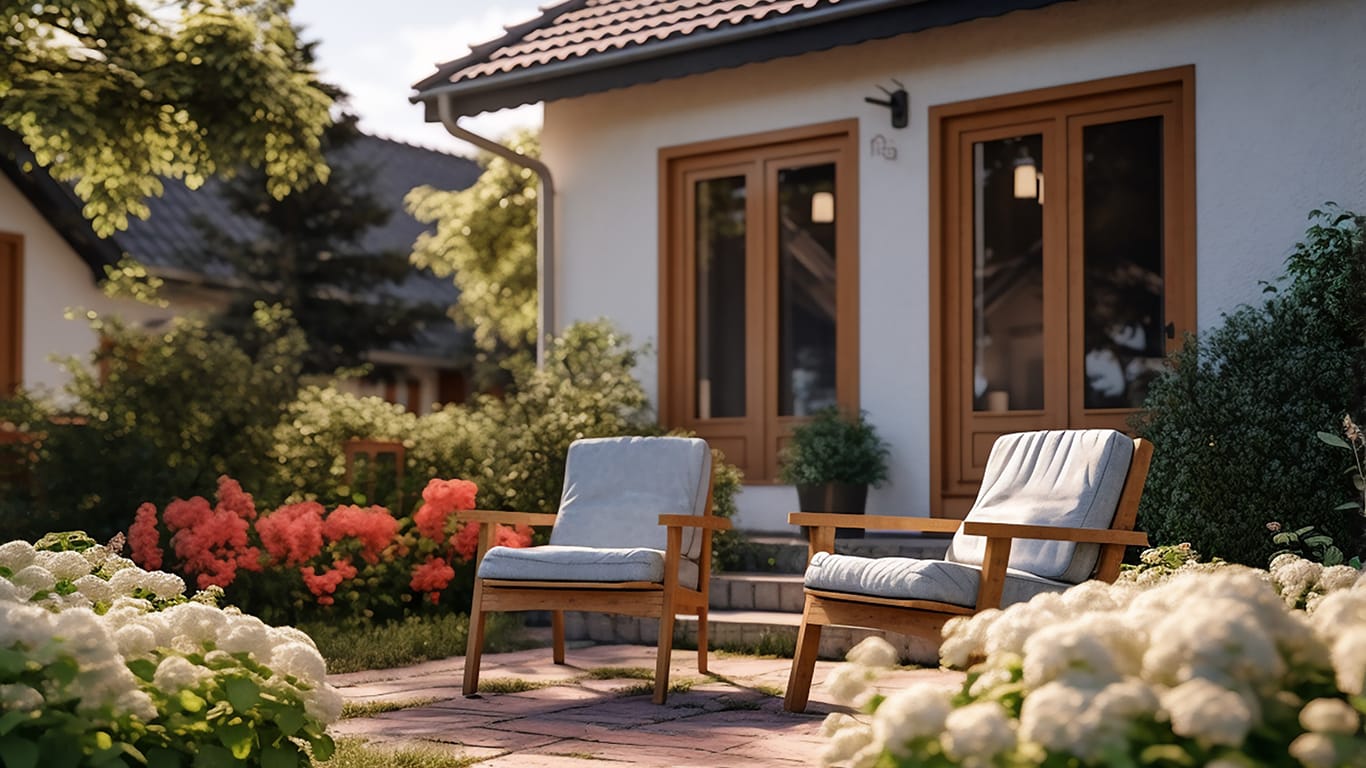
Accessory dwelling units, often called casitas, guest houses, or backyard homes, serve as secondary living spaces built on the same property as a primary house.
These small structures are becoming more common across the country as homeowners look for flexible, practical ways to add usable living space without moving. Remodeling companies that specialize in home additions are also becoming more popular because of their detached or attached ADU building capabilities. Cities handle ADUs differently, but the core process is similar nationwide.
Defining the Arizona ADU
Homeowners typically choose from three common ADU types:
- Detached ADUs built on their own foundation
- Attached ADUs sharing a wall with the main home
- Garage conversions adapted into livable spaces
Each option offers different levels of privacy, access, and layout flexibility. Most single-family areas fall under zoning groups such as R-1, and municipalities follow the International Residential Code with local amendments.
Why ADUs Are Growing In Popularity
Many homeowners want extra space that can adapt as life changes.
Multigenerational homes are rising, and people want quiet areas for work or guests.
Many areas like this around the country have seen steady growth in ADU interest because larger lots make these additions more feasible.
READ MORE: Here is the outlook for Phoenix’s 2026 housing market
LOCAL NEWS: Want more stories like this? Get our free newsletter here
Early Planning Steps
Strategic planning is the crucial first step. Review the available space and consider how someone will access the ADU. Check proximity to neighboring homes to understand privacy and noise impact. Sun orientation matters because summer heat is intense. Pay attention to shade patterns throughout the day.
Drainage also plays a role, especially during monsoon season. A level space with reliable runoff is ideal.
Understanding Zoning and Codes
Zoning rules dictate where an ADU can sit and how large it can be. Most municipalities require adherence to setbacks, height limits, parking provisions, and lot-size requirements.
Knowing your specific zoning classification helps determine what is allowed.
Permitting Basics
Most municipalities require a site plan, floor plan, and utilities plan before construction begins. These documents show where the ADU will be built, how the interior space is organized, and how plumbing and electrical systems connect. Permits ensure inspectors can verify safety and compliance at different stages.
Planning Utilities
ADUs need plumbing, electrical service, and cooling. Design often follows existing utility paths on the property. Electrical panels may need upgrades if capacity is limited. Mini-split systems or small HVAC units handle cooling efficiently in hot weather. Proper insulation and sealed windows improve comfort.
Construction Phase
Construction follows a predictable path: foundation, framing, installation of utilities, insulation, drywall, and finishes. Inspectors verify code compliance at multiple stages. The timeline varies depending on layout and design complexity.
DIY Considerations
Some minor tasks like painting or simple landscaping can be handled by homeowners. Full ADU builds rarely work as DIY projects because they involve structural work, electrical systems, plumbing, and strict permitting requirements.
Final Inspection and Completion
Once construction ends, municipalities complete a final inspection to confirm the structure meets approved plans and safety standards. Some issue a final occupancy document that clears the ADU for living use.
Conclusion
ADUs offer practical, flexible space for many types of households.
With thoughtful planning and a clear understanding of the process, an ADU can become a valuable part of any property.